Affichage des articles dont le libellé est Ecommerce China. Afficher tous les articles

dimanche 9 novembre 2025

Tmall's Double 11 Triumph: Record-Breaking Performance and the TP Agencies 2025


By Jon Wang


Beijing Correspondent for Tech Frontier Insights
October 28, 2025 Written by me... correct by AI (i am not native ;-) )

My linkedin

Tmall's Double 11 Triumph: Record-Breaking Performance and the TP Agencies 2025

China's e-commerce colossus Alibaba once again orchestrated a spectacle with the 2025 Double 11 Shopping Festival, its 17th iteration—proving that Singles' Day isn't just a sales event but a cultural juggernaut redefining consumer behavior in the world's largest digital marketplace. Running from October 14 to November 11, this year's marathon campaign shattered expectations, with Tmall's gross merchandise value (GMV) soaring to an estimated 1.1 trillion RMB ($155 billion), capturing 62.6% of the comprehensive e-commerce market share amid a total festival GMV of 1.44 trillion RMB across platforms. While Alibaba eschewed top-line GMV boasts—focusing instead on granular wins like buyer engagement and AI-driven efficiencies—the numbers tell a story of resilience: 589 brands eclipsed RMB 100 million in GMV (up from 402 in 2024), and a record 45 brands, including Apple, Nike, Haier, Midea, Xiaomi, and Wuliangye, blasted past the RMB 1 billion threshold. This surge, fueled by AI toolkits generating 100 million+ marketing assets for 4 million merchants and government subsidies boosting subsidized categories by 116%, underscores Tmall's pivot from price wars to "experience economies" emphasizing sustainability, health, and tech accessibility.

From my vantage in Hangzhou's Alibaba ecosystem, the 2025 edition highlighted Tmall's maturation: over 30,000 brands doubled first-hour sales within 60 minutes of the October 20 kickoff, while 80 brands hit RMB 100 million by 9 p.m.—outpacing 2024's opener. Consumer electronics led the charge, with Apple's iPhone sales in the first two hours surpassing last year's full Day 1, and gadgets like AirPods 4, Apple Watch Series 11, iQOO 15, Nintendo Switch, and Xiaomi 17 Pro Max each crossing RMB 10 million in an hour. Beauty and fashion weren't far behind: 79 beauty brands and 66 apparel labels topped RMB 100 million, with high-end skincare over RMB 500 surging 200% YoY, propelled by domestic stars like Proya (adding 600,000 VIPs) challenging L'Oréal and Estée Lauder. Home appliances benefited from subsidies, with 139 brands exceeding RMB 100 million, while luxury newcomers like Flos, Trudon, and Artemide debuted with 240% YoY growth in premium home goods.

Livestreaming amplified the frenzy: over 100 rooms hit RMB 100 million, with Douyin's integration via Tmall's "Ocean Engine" ads driving 113% YoY merchant-led stream growth. Cross-platform synergies—WeChat Pay on Tmall, Alipay on JD—broke "walled gardens," spiking new user GMV sixfold in Hong Kong/Macau. Yet, challenges loomed: an Alipay outage on November 11 caused refund ripples, and pre-sale pricing glitches fueled complaints, highlighting the need for robust backend AI for real-time adjustments. For brands, the takeaways are stark: 1,103 in tech doubled GMV, 7,062 in fashion, and 9,200 in appliances—proof that AI personalization and KOL collabs yield 3x ROI in a 1 billion-user ecosystem. As Tmall eyes 14.5% CAGR in social commerce through 2030, global players must localize: 100,000+ new products launched, but success hinged on partners navigating Baidu SEO, Weibo virality, and Tmall's strict audits.

Source Asia Pro

The Top 5 Tmall Partner Agencies: Architects of Double 11 Glory

Tmall's ecosystem thrives on Third-Party (TP) partners—agencies that handle store setup, localization, KOL orchestration, and AI-optimized campaigns for foreign entrants sans local licenses. In 2025, these firms were pivotal: they enabled 37,000 brands to join via Taobao Flash integrations and drove 30% of cross-border GMV through bonded logistics. Rankings draw from client GMV lifts, Yinma Data metrics, and festival case studies—prioritizing ROI, innovation, and scale for Double 11.

  1. Gentlemen Marketing Agency (GMA): The Certified Powerhouse Shanghai's GMA, a Tmall Certified Partner since 2012, topped the charts with unmatched localization prowess, powering 150+ foreign brands to 150% YoY GMV spikes via "SMART Strategies" (Search, Metrics, Adaptation, ROI, Trends). For Double 11, GMA's matrix livestream builds—integrating WeChat mini-programs with Tmall flagships—netted a European skincare line RMB 10 million in Q1 pre-sales alone, while motorcycle gear clients saw demand surges prompting price hikes. Their edge: Baidu SEO + KOL networks yielding 3x conversions at 40% lower CAC. With $17.8 million revenue, GMA's end-to-end (from trademarks to e-distribution) makes it indispensable for luxury/fashion debuts like MCM's top-selling tote.
  2. Baozun: The EcomMaestro Guangzhou-based , a veteran TP with 100+ brands under belt, excelled in cross-border ops, blending e-commerce audits with influencer marketing for 32% GMV growth in beauty during 2025's opener. Their Double 11 playbook—pre-sale Weibo teasers + Tmall compliance—helped Lancôme and Clarins hit RMB 100 million in 10 minutes, leveraging AR try-ons for 35% uplift. Strengths: Cost-effective for SMEs, with VR integrations mirroring Tmall's metaverse pushes.
  3. Fashion China Agency-Shopify partner Content-to-Commerce Wizards Under E-Commerce China's umbrella, this Shanghai specialist turned viral clips into sales engines, driving RMB 2 billion+ GMV via AI hosts in 80% livestream campaigns. For Proya's 600,000 new VIPs, they hacked hashtags like "秋冬穿搭" for Gen-Z dominance, boosting apparel's 66-brand RMB 100 million club. Ideal for fashion/beauty, their Tmall-Tmall Global bridges yielded 70K units sold in two-hour streams.
  4. WPIC Marketing + Technologies: KOL Precision Pros Guangzhou's WPIC orchestrated 10,000+ KOL matches with BERT sentiment AI, lifting L'Oréal's collagen lines to sell-outs and 46% GMV hikes. Double 11 wins included micro-KOL matrices for Yves Saint Laurent's makeup throne on Tmall, with 50+ KPI dashboards ensuring 99% relevance. Cross-platform (Douyin + Xiaohongshu) synergy shines for health sectors like Swisse's top spot.
  5. Little Panda TP: Narrative Innovators Beijing's premium player crafted "crazy literature" AR filters, netting 300 million impressions and 25% footfall in lower-tier cities for Lancome's Lunar tie-ins. Their Adobe-Tmall integrations slashed setup 20%, powering Pop Mart's 100 million GMV in toys via blind-box trends. Best for high-end storytelling, though urban focus limits rural scale.

These TPs didn't just facilitate they amplified Tmall's 1 billion active users into revenue tsunamis, with GMA's certified access proving the gold standard. As AI evolves from toolkit to co-pilot, agencies blending tech with cultural nuance will dictate 2026's winners. For globals, the call: Partner early—Double 11's dragon awaits.

jeudi 30 octobre 2025

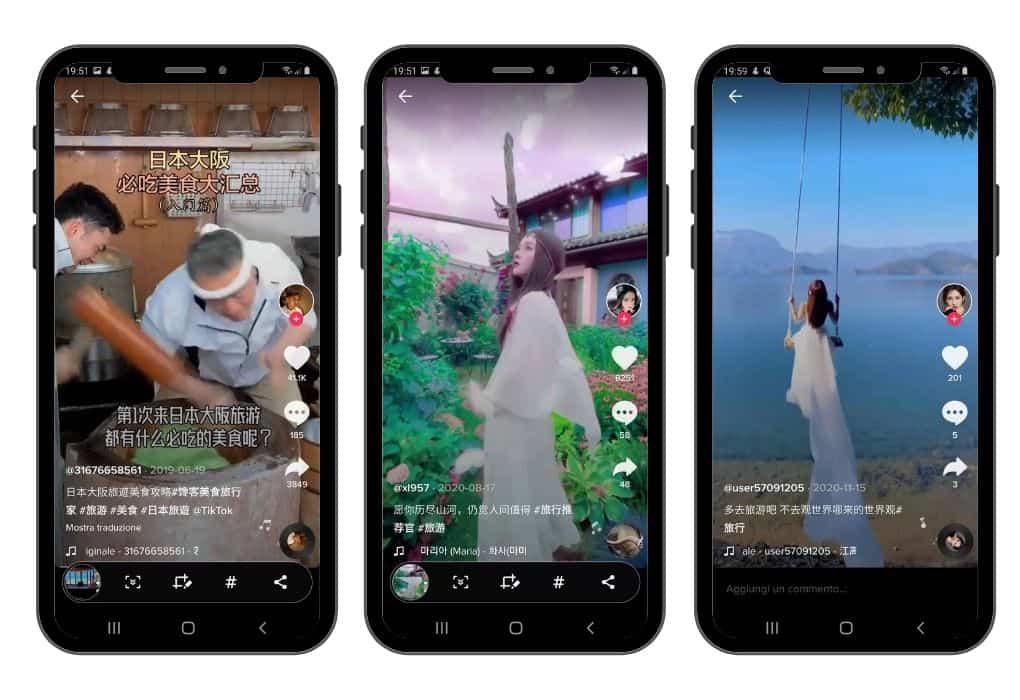
Douyin's Dominance: Video Commerce , Livestreaming in China


Douyin's Dominance: China's Premier E-Commerce Powerhouse and the Agencies Fueling Its Rise in 2025

By Jon Wang , Beijing Correspondent for Tech Frontier Insights October 28, 2025

In the electrifying world of Chinese digital commerce, where algorithms dance with consumer whims, Douyin ByteDance's homegrown TikTok sibling hasn't just joined the fray; it's rewritten the rules. By mid-2025, Douyin's e-commerce gross merchandise value (GMV) has rocketed to an estimated 4 trillion RMB (about $560 billion), securing its spot as the undisputed leader in social commerce and nipping at the heels of behemoths like Tmall and Pinduoduo. What elevates Douyin above the pack? It's the alchemy of short-form video virality, AI-driven personalization, and seamless in-app purchasing that turns passive scrolls into impulse buys. Unlike search-heavy platforms like JD.com, Douyin's "interest-based e-commerce" leverages sophisticated recommendation engines—powered by real-time data analysis and machine learning—to serve hyper-relevant content, boosting conversion rates by up to 60% year-over-year. In a market projected to hit $3.45 trillion overall by year's end, Douyin's 47% share of live-streaming sales underscores its edge: over 750 million monthly active users spend an average of 90 minutes daily immersed in its ecosystem, where 65% of sales stem from videos and streams.


This isn't mere hype. Douyin's ascent stems from strategic pivots: the 2021 launch of Douyin Mall enabled direct brand storefronts, while 2025's "Global Store" feature streamlines cross-border sales for international players, slashing logistics times to three days via integrated partners. Merchant-led livestreams, now comprising over 50% of top-brand sales, democratize access—up 113% YoY—allowing SMEs to rival KOLs (Key Opinion Leaders) without controversy risks. For businesses, this translates to explosive ROI: a single viral video can liquidate ¥500K ($70K) in inventory within hours, as seen with niche tea brands leveraging cultural KOLs. Globally, Douyin's blueprint is influencing TikTok Shop's expansion, but in China, it's the apex predator—projected to outpace WeChat in users by year-end and claim 14.5% CAGR in social commerce through 2030. As Beijing's "dual carbon" goals amplify eco-aligned content (boosted by algorithm tweaks), Douyin isn't just selling products—it's engineering desire, one swipe at a time.

Yet, conquering this behemoth demands expertise. Enter the agencies: specialized firms that navigate Douyin's labyrinth of SEO-optimized captions, AI virtual hosts, and private traffic pools to unlock its $3 trillion potential. From my dispatches across Shanghai's agency hubs, here's a rundown of the top five Douyin e-commerce agencies in 2025—each a masterclass in turning bytes into billions. (Note: Rankings blend client ROI, case studies, and market share from Yinma Data and agency disclosures.)

1. Gentlemen Marketing Agency (GMA): The Douyin Certified Trailblazer

Shanghai-based GMA, with over a decade in the trenches, reigns supreme as a Douyin Certified Partner—one of the elite few with exclusive contracts granting priority algorithm access and streamlined onboarding. Led by founder Olivier Verot, GMA specializes in foreign-brand localization, boasting 1,500+ clients who've seen 150% YoY sales spikes via Douyin-exclusive tactics like matrix live-streamer builds (now 10% of top brands' arsenals). Their secret sauce? ROI-focused funnels integrating WeChat private domains with Douyin's Ocean Engine ads, yielding 3x conversion lifts for beauty and fashion verticals. In 2025, GMA's "SMART Strategies" (Search, Metrics, Adaptation, ROI, Trends) propelled a European skincare line to ¥10M GMV in Q1 alone. For cross-border newbies, their Tmall-partner status eases hybrid plays. Drawback: Premium pricing for bespoke campaigns, but the certified edge makes it indispensable.


2. Fashion China Agency: Viral Video Virtuosos

A Shanghai powerhouse under the E-Commerce China umbrella, Fashion China Agency excels in content-driven Douyin dominance, transforming short clips into sales juggernauts for luxury and apparel brands. With 80% of their portfolio in live-streaming, they've clocked ¥2B+ in facilitated GMV, leveraging AI hosts for 24/7 demos that mimic human banter—cracking jokes while closing deals. Case in point: A 2025 collab with Proya Cosmetics yielded 70K units sold in a two-hour stream, thanks to SEO-hacked hashtags like "秋冬穿搭" (autumn/winter outfits) that hijacked Gen-Z searches. Their edge lies in grassroots KOL networks (under-50K followers for authenticity), driving 40% lower CAC than mega-influencers. As an official Tmall ally, they bridge Douyin to broader Alibaba ecosystems. Ideal for mid-tier brands eyeing viral scalability, though content fatigue risks demand constant A/B testing.


3. WPIC Marketing + Technologies: KOL-Powered Precision Engine

Guangzhou's WPIC blends tech and talent, topping charts for influencer orchestration on Douyin—connecting brands to 10,000+ KOLs for precision-targeted campaigns. In 2025, their AI-augmented matching (BERT-like sentiment analysis) has boosted partner GMV by 46%, aligning products with niche trends like "瑜伽裤" (yoga pants) for #1 rankings. A standout: L’Oréal's 2024 push via WPIC's micro-KOL matrix sold out collagen lines in days, capitalizing on Douyin's 70% impulse-buy rate. Strengths include cross-platform synergy (Douyin + Xiaohongshu) and data dashboards tracking 50+ KPIs, from engagement to cart abandonment. They're a go-to for beauty/health sectors, but scaling beyond KOLs requires their premium "Global Store" add-ons.

4. Long Advisory: Creative Content Alchemists

Beijing's Long Advisory, a premium Weibo/Douyin expert, shines in narrative-driven e-commerce, crafting "crazy literature" campaigns that fuse storytelling with shoppable AR filters. As a certified partner across ByteDance platforms, they've driven 300M+ impressions for D2C brands, with 25% footfall spikes in lower-tier cities via Kuaishou-Douyin hybrids. Their 2025 innovation? Immersive VR try-ons for fashion, converting 35% of views to sales—exemplified by a Lancome collab that trended #SnakePrada-style for the Lunar New Year. With Adobe Commerce integrations, they excel in multi-vendor marketplaces, slashing setup costs 20%. Best for high-end brands prioritizing polish over volume, though urban bias limits rural penetration.

5. TMO Group: Cross-Border Commerce Catalysts

Hong Kong/Shanghai hybrid TMO Group rounds out the top five with laser-focus on CBEC (cross-border e-commerce), easing Douyin entry for foreign firms sans local entities. Handling 10+ years of multichannel ops, they've facilitated $800M in exports via Douyin's bonded logistics, with 30% GMV growth for ASEAN brands in Q3 2025. Key win: AI personalization for vernacular targeting, mirroring Douyin's algo to hit 99% relevance. Their edge? End-to-end compliance (GACC/NMPA filings), making them indispensable for U.S./EU exporters dodging tariffs. A Swisse health campaign exemplifies: 3-day China delivery, ¥70K inventory gone in hours. Suited for startups, but domestic depth lags pure-play locals.

These agencies aren't just service providers; they're Douyin's secret weapons, turning its 1B+ users into revenue rivers. As social commerce swells to $13B in 2025 (14.5% CAGR), partnering with one like GMA—insiders' pick for certified clout—could mean the difference between viral fame and digital dust. For global brands, the mandate is clear: Dive into Douyin's ecosystem now, or watch competitors claim the scroll. With Beijing's innovations accelerating, 2026 promises even wilder rides.

jeudi 23 mai 2024

E-commerce in China in 2024

 E-commerce in China in 2024: Top Trends from Agencies


As we advance into 2024, China's e-commerce landscape continues to evolve at a rapid pace. Agencies and industry analysts have identified several key trends that are shaping the future of online shopping in the world's largest e-commerce market. These trends reflect changes in consumer behavior, technological advancements, and regulatory environments. Revenue in the eCommerce Market is projected to reach US$1,469.00bn in 2024


1. Livestreaming E-commerce Dominance


Livestreaming has revolutionized e-commerce in China, blending entertainment with instant purchasing options. In 2024, this trend continues to dominate, with influencers and brands using platforms like Taobao Live, Douyin (TikTok's Chinese counterpart), and Kuaishou to engage directly with consumers. Livestreaming is not just a sales channel; it has become a crucial tool for brand building and product launches.


read more 

https://www.linkedin.com/pulse/chinese-ecommerce-market-driven-technological-advancements-cyw9e/

2. Integration of AI and AR Technologies
Artificial Intelligence (AI) and Augmented Reality (AR) are being increasingly integrated into the e-commerce experience to enhance customer engagement and satisfaction. AI is used for personalized recommendations, customer service, and inventory management, while AR allows consumers to visualize products in their own environment before purchasing. This technology is particularly prevalent in the fashion and home decor sectors.

3. Consumerism is changing
Sustainability is becoming a significant factor in consumer purchasing decisions. Chinese consumers are increasingly drawn to brands that demonstrate environmental responsibility. In response, e-commerce platforms and sellers are adopting eco-friendly practices such as sustainable packaging, carbon-neutral shipping options, and promoting eco-friendly products.

4. Cross-Border E-commerce Expansion
With the relaxation of certain international trade barriers and improvements in logistics, cross-border e-commerce is experiencing significant growth. Chinese consumers are increasingly purchasing international brands and products online, driven by a desire for quality and authenticity. Platforms like Alibaba’s Tmall Global douyin and JD Worldwide are expanding their international offerings to meet this demand.read more https://marketingtochina.com/guide-ecommerce-china/


5. Social Commerce Surge
Social commerce, which involves purchasing products directly through social media platforms, continues to surge. Platforms like WeChat, Douyin, and Xiaohongshu (Little Red Book) are making it easier for users to buy products without leaving the app, leveraging social recommendations and community engagements to drive sales.

6. Localized and Hyper-Personalized Marketing
E-commerce giants are focusing on hyper-localized and personalized marketing strategies. Using data analytics, companies can tailor their marketing campaigns to individual preferences and regional characteristics, increasing conversion rates. Personalization extends beyond marketing into customizing product offerings and shopping experiences.

7. Regulatory Adjustments
The Chinese government is tightening regulations around e-commerce to protect consumers and ensure fair competition. New regulations focus on data security, consumer privacy, and anti-competitive practices. Companies operating in China are adapting by enhancing their compliance structures and transparency.

8. Rise of Niche Platforms
While major platforms like Alibaba and JD.com continue to dominate, niche e-commerce platforms are gaining traction by catering to specific interests and demographics, such as luxury goods, second-hand markets, and specialty foods. These platforms often provide a curated experience that appeals to particular consumer segments.


Conclusion : go or not go to China :-) 


mardi 1 novembre 2022

Top challenges of selling beauty products in China

 What are the challenges of selling beauty products in China?

Selling cosmetics online in China can be challenging for several reasons. First, there is a lack of regulation around the sale of cosmetics in China, which means there is no standard way of doing business. It is therefore difficult for brands to determine the best way to sell their products online in China. Additionally, Chinese consumers are often reluctant to pay high prices for cosmetics, preferring to purchase products at lower cost from unofficial sources. As a result, many brands found it difficult to sell their products online in China and had to turn to other methods such as physical stores or social media platforms.

L'Oreal the number one beauty company experienced strong growth in the third quarter (+19.7% to 9.5 billion euros). Over nine months, the group continues to grow faster than the market. Excellent summer for L'Oréal. The number one cosmetics company stands out with third-quarter sales up 19.7% to 9.58 billion euros. Much better than the consensus of 9.2 billion euros. The result jumped by +20% compared to 2019, the pre-pandemic reference year.


Despite inflation, its revenues are robust in all its activities: Luxury, consumer products and even in “Active Cosmetics”, this category of dermo-cosmetics, which is still small in the group but which has experienced the most rapid growth.

How can you overcome these challenges?

To overcome the challenges of selling cosmetics in China, there are a few things to keep in mind. First, make sure your products are of high quality and that you offer unique and innovative products. Second, be sure to research the Chinese market carefully before launching your product, as there are many different preferences among consumers. Finally, use technology tools to help you reach potential customers and drive sales.


One of the ways to sell cosmetics using technology is through social media platforms such as Facebook and Instagram. Creating an account on these sites can help you build a following for your brand and connect with potential customers. Once you've established a relationship with your audience, using technology tools like analytics can help you track the performance of your marketing campaigns and make any necessary adjustments.


Another way to sell cosmetics in China is through online marketplaces such as Taobao and Tmall. These platforms offer a wide range of products from different brands, so it is important to do your research beforehand to find the right products to sell. Once you've added your products to the marketplace, it's important to actively promote them to attract interested buyers.


Finally, it is always beneficial to have a representative stationed in China in order to better understand the needs of local consumers and adapt your marketing strategies accordingly. By taking these steps, you can ensure that you continue to successfully sell your cosmetics in China!

source : https://techuch.com/how-to-sell-cosmetics-using-tech-in-china/

Tools and Strategies to Use When Selling beauty products Online in China

When selling cosmetics online in China, it is important to understand the culture and preferences of the Chinese consumer. For example, some Chinese consumers prefer natural ingredients in their cosmetics, while others may prefer more colorful formulations. It is also important to be aware of the new Chinese regulatory environment surrounding cosmetics. In May 2018, China released new regulations that require all imported cosmetic products to undergo pre-market safety checks. This means that cosmetic companies selling products in China will have to comply with Chinese safety standards before they can sell their products.

vendredi 28 octobre 2022

E-Commerce in China is in crisis in 2022

 After ten years of GDP growth, China e-Commerce economy has never experienced such a decline in economic performance as in 2022. The consequences of COVID are more serious than during previous crises such as SARS in 2003 or the global financial crisis of 2009. 

All sectors are affected: manufacture products, cosmetics, fashion, retail sales and exports.


In 2022, the whole world recorded a drop in retail sales, due to the health crisis and successive confinements, between 10% for Asia and the United States and 13% for Europe.


But China, the first affected, has all the assets to get back on its feet quickly. Already, its annual growth stands at 8.1% in 2021, the strongest recorded since 2012, and better than forecast at 6%.


Companies will take less than a year to recover from the health crisis in the Chinese market.


  1. What are China's strengths? 
  2. Why is multi-channel communication a plus? 
  3. How does it materialize? 
  4. What are the technological and regulatory challenges to be met?


Not all sectors have been affected in the same way. The retail sector lost $200 billion in China in 2020.

The advantage of e-commerce in Cina

E-commerce in China represents 700 billion euros in 2020, 500 million buyers. Half of the Chinese population uses e-commerce as a mode of consumption and, during the crisis, e-commerce platforms have grown by 82%.


In China, 650 million parcels are delivered every day via Alibaba compared to 6 million in the United States via Amazon.


In addition, payment by smartphone has become a habit for Chinese consumers who make more than 60% of online payments through this channel, i.e. 10 times more than in the United States according to 2016 figures from McKinsey & Company.


Wechat lists 1 billion active users for payment solutions, the first in the world. The main technologies are the QRcode, the NFC (Near-Field Communication = contactless) and the credit card emulator with the mobile.


The Chinese population is ultra-connected with the highest rate of household Internet and mobile services in the world.


Innovative approaches

Faced with this technophile public, brands are constantly innovating. Piaget, L'Oréal, Galeries Lafayette, LVMH or Givenchy are planning to invest in the development of e-commerce platforms, interactive 3D holographic windows, live streaming, mini-programs in the WeChat application or even virtual reality.


Indeed, brands adopt what is called a phygital strategy consisting in finding the right balance between physical signs and online presence. Stores have a new role as showrooms and are no longer the only place of purchase, now supplemented by e-commerce platforms, social networks and instant messaging.


https://ecommerce-china.blogspot.com/2022/07/ray-ban-in-china-what-is-situation-in.html

https://ecommerce-china.blogspot.com/2022/06/how-to-use-digital-mediato-sell-in-china.html

https://ecommerce-china.blogspot.com/2022/05/star-kol-are-not-good-marketing-tool-in.html

https://ecommerce-china.blogspot.com/2022/04/chinese-tech-economy-overview-2022.html

https://ecommerce-china.blogspot.com/2022/04/fashion-in-china-models-douyin-and-kids.html

https://ecommerce-china.blogspot.com/2013/06/what-are-most-popular-e-commerce.html


lundi 4 juillet 2022

Ray-ban in China, what is the Situation in 2022?


China slowdown concerns dim Ray-ban maker EssilorLuxottica's

EssilorLuxottica shares fell Friday due to a decline in China business that overshadowed the overall better-than-expected sales for the French-Italian-owned eyewear company.

Reuters

The company, which produces sunglasses and spectacle frames in Versace and Prada, reported that its sales were "deteriorating" in mainland China due to coronavirus cases. It stated that about three quarters of its locations had been affected by COVID-related closures and subdued footfall.


China is on the rise with sunglasses that block blue light radiation

RayBan, the most popular prescription and sunwear brand, and the Peking University Eye Center have joined forces to promote Anti-UV Eye Protection in China. AMD (age-related Macular Degeneration) is on the rise in China and other countries. It is one of the most serious eye-related diseases in the world.


"It's a well-known truth that prolonged exposure to sunlight without UV-resistant sunglasses can cause permanent eye damage," stated Yvette Ye (China Country Manager for Luxottica Group), the parent company of Ray-Ban.


Source FashionChinaagency 


This research aims to improve UV protection in sunglasses through improved lens technology and educate consumers about the importance UV protection.

Beijing s race to halt the pandemic has clogged highways and logistics, stranded people and shut countless factories, causing HUGE disruption that is rippling through global supply chains explained a member of the CBC at the figaro


jeudi 2 juin 2022

How To Use Digital MediaTo Sell In China

Observing China is not just a way to enter a new market. 


What happens there is extremely important for anticipating changes in cultural practices, technologies and uses. These are all the more interesting to understand as they operate almost behind closed doors, with very few foreign brands breaking into China and Internet control preventing global monopolies from entering the Chinese market explained a member of the Chinese Business Club. 


Thus, Facebook does not exist in China, in the same way as Google.


 Instead, hundreds of thousands of players share the market, drawing inspiration from American models while adapting them to Chinese culture. But it happens that their models are now exported abroad: TikTok (TikTok in France: 2019 figures, advertising formats, brand safety, etc.) is based, for example, on a Chinese application, Douyin, which offers additional functionalities not yet implemented. in other countries.


Taking an interest in China means anticipating uses that have not yet been exported to other countries but which are likely to arrive here as we move towards greater digital maturity.


E-commerce in China, a dense ecosystem

In terms of e-commerce, China is now a model. The sector operates according to its own codes and represents, only for the B2C part, more than a trillion dollars 


It is an incredibly powerful market that took advantage of the SARS crisis in 2002-2003 to develop, giving rise to behemoths of online commerce.


The best way to look at it is this: the machine that China is exporting to the world is working fine as it is. What is happening is that the engineers working for the famous brand — the one that every American, European, and Asian country uses  source 

Among the biggest e-commerce players in China


Alibaba Group: 56.15 billion dollars in turnover in 2019, a real e-commerce octopus comparable to Amazon and with many entities facilitating online commerce.


Among the sites and applications owned by Alibaba and used by the Chinese for shopping on the Internet, we find Tmall and Taobao, which have respectively 8.4% and 52.6% penetration rates in the shopping application market according to Statistics. However, it is difficult to separate these two entities, because Taobao permanently links to Tmall: during a search, users will be able to choose between buying on Tmall from recognized sellers, or buying on Taobao from people evaluated on their sales performance on the site.


To better differentiate the two sites, a clarification:


Tmall is a B2C marketplace offering major brands to sell their products on the platform and offering luxury brands a dedicated corner called Luxury Pavilion. Its creators also recently opened a second corner, Luxury Soho, a platform that targets a younger clientele and offers out-of-season luxury products for technically lower prices.

Taobao is a marketplace for the sale of products and services between individuals and semi-pros linked to Tmall. The average basket is $30 according to Companies filings. The site is equipped with social features, including a platform dedicated to livestreaming, Taobao Live, where people film themselves presenting products, like teleshopping. The platform has 299 million active users per day.

On the sidelines, Alipay, Alibaba's payment tool comparable to Paypal or Lydia facilitates transactions.


How To Use Digital MediaTo Sell Ice Cream In China

The buying and selling of products and services in China is very different from that in the United States or Europe. Here, you would need a business license or a special certification to sell products in hotels, resorts, or malls. In China, you can sell virtually anything—including candy, food, beauty products, and household chemicals. This means there are many new options for sellers of ice cream. Many of them are based on imported products, but there is also a growing number of niche options. These include products made from scratches such as premium ice cream varieties, as well as goods that can be made entirely in the home such as natural ice cream and custard.

source : https://www.digitalsoftw.com/2022/05/25/how-to-use-digital-mediato-sell-ice-cream-in-china/


lundi 2 mai 2022

Star KOL are not a good Marketing tool in China anymore

 China's traffic stars may be losing popularity. A recent report from Shiqu Engine shows that celebrity marketing events fell by 50.9 per cent in March 2022 compared to the same time last year. However, co-branded marketing rose 91.3 percent and 55.7 percent respectively while new product marketing increased 6.6 times.

Star KOL 

The Traffic stars, a Chinese term that refers to KOLs who drive high-quality digital traffic, have helped brands achieve rapid growth for new products. While the continuing pandemic could partially explain the decline in celebrity events, with Shanghai still under lockdown and Shenzhen just beginning to recover, it also points to shifting tides within China's entertainment sector. Brands that fail to respond to ambassadors' poor behavior quickly are also being caught in the crossfire. This includes Kris Wu's sexual assault case last year, and the recent tax evasion cases livestreamer Viya as well as actor Deng Lun.source 


A new study shows that China's current crackdown on celebrity "idolatry has had a significant impact on marketing practices featuring these figures.


Marketing Agencies Tips 

According to marketing agencies, the use of traffic stars (or music and film celebrities that generate huge consumer traffic online) in marketing campaigns dropped 50.9% between March 2021 and March 2019. According to the report, this was despite an increase in product launches and events.


Scandals

China has been the victim of a slew of scandals involving celebrities in recent years. These range from tax fraud to sexual assault allegations. The government has made strenuous efforts to curb the use of celebrities in product marketing as the scandals mount.


There are many scandals, but the most notable is the disappearance Zhao Wei. This actress has been compared to Angelina Jolie in China. The 46-year old billionaire disappeared last August. All of her television series and films were removed from the internet and her -like Weibo page, which had 86,000,000 followers, was closed. Zhao and her husband were banned from the Shanghai Stock Exchange in 2008 for their unsuccessful takeover of a company. According to the bourse, they "disrupted the market order."


Actors problems in CHina

Zheng Shuang was another A-list actress and was removed from the Chinese entertainment industry. She had been reported to have two children in America through surrogacy in China.


Zheng is one of many celebrities who have been charged with tax evasion. This skyrocketed when China set a limit on the amount that stars can be paid for blockbuster movies.


#meToo

Last summer, the scandals reached their height when Kris Wu, a Chinese-Canadian pop singer, was arrested for rape allegations. China's #MeToo movement reached a fever pitch after the incident. Big-name foreign and domestic brands immediately removed Wu, including LVMH Moet Hennessy Louis Vuitton MC+0.37% 


Apologies 

It has not been heard from, KOL made an apology for the surrogacy, Wu denied the rape allegations before he was taken into custody.


Analysts said that in addition to direct Beijing intervention, the chilling effect caused companies to reconsider engagements with celebrities.


Brands in China

"Many brands are scared and looking for less risky alternatives than celebrities who can disappear overnight, bringing negative associations with the brands they endorse, and swallowing large amounts of marketing budgets that could be spent elsewhere," Philip Chen (managing director of Gentlemen Marketing agency China) 


China has been using media and official channels to create a wave disapproval for allegedly "unwholesome", public figures and an increase in public standards. This is a key component of President Xi Jinping’s "common prosperity” campaign. It seeks to reduce income inequality and curb wealth and excess. It is a good times for small KOL - Models in China


samedi 30 avril 2022

Chinese Tech Economy : overview 2022

 Alibaba Group Holding Limited. BABA 6.80% and other Chinese technology stocks surged by double-digit percents, leading to a wider market rally on investor hope that the government would do more for the sector.

Chinese Technology Economy

Friday's surge helped Chinese shares recover some of their losses. The yuan also gained some ground against USD after sharply selling in recent sessions.


Stabilize consumption in China

According to state-run Xinhua News , China's Politburo stated Friday that the government should implement policies to support the economy and stabilize consumption, as well as invest effectively in support of growth. Xinhua reported that the calls were made during a meeting held Friday by President Xi Jinping.


Worldwide conflicts

While the Covid-19 epidemics and Russia-Ukraine conflict have exacerbated the difficulties facing China's economy, policy makers stated that they would increase support and work to achieve this year's growth target. Many analysts and economists have stated that China's goal of 5.5% gross domestic products growth will be difficult to reach. This is despite the fact that many cities are under lockdown because of China's zero-Covid-19 policies.

https://msnquotes.com/2022/04/10/chinese-artists-that-support-ukraine/


A member of the Chinese Business Club in tech said that the government should end its efforts to fix issues at platform companies and implement specific measures to encourage the "healthy growth of the platform economy."


This pre-markets primer is packed with information, trends, and ideas. Plus, up-to-the-minute market data.

Expert in China overviews


Larry Hu, an economist with Macquarie, an international bank, stated that the language regarding tech was more accommodating than at a December meeting. "Today's Politburo meeting wishes to assure the market, which began at the end of 2020," Mr. Hu stated in a Friday note.


China is poised to put an end to its long-running campaignagainst technology companies. The top internet regulator will meet next week with China's tech giants, according to people familiar with the matter.

Chinese Cosmetics industry is suffering from these tech giants 

--https://forbas.co.uk/distribution-is-the-key-to-success-with-cosmetics-in-china/


Hong Kong's Hang Seng Index rose 4% while the Hang Seng Tech Index soared 10% with shares in tech companies like Alibaba, Tencent Holdings Ltd. TCEHY 8.81%, JD.com Inc. JD 6.666% and Meituan3690 15.51% all rising more than 10%. The CSI 300 and Shanghai Composite indexes rose by 2.4% in mainland China.


Chinese economy suffers

These moves end a turbulent period in Chinese markets. Onshore stocks suffered their worst one day selloff in over two years earlier this week, while the yuan plummeted to levels that were last seen in late 2020. Despite Friday's rebound the CSI 300 finished the month 4.9% lower while the Hang Seng ended April 4.1% below.


Louis Lau, director for investments at Brandes Investment Partners, San Diego, stated that although stimulus has been measured thus far, he believes there is still room to support growth if policymakers are willing to do so. Chinese equities have a lot of potential to recover if investors gain confidence and real economic fundamentals improve.


Prashant Bhayani (chief investment officer for Asia at BNP Paribas Wealth Management) made a comparison to March. It was then that Mr. Xi's economic czar Liu He triggered a ferocious rally.


According to Mr. Bhayani, this time the economic impact of Covid-19 made it more urgent and there was more chance for more stimulus. He said that there are more stars aligning now than in March.


The yuan rose in currency markets both onshore and offshore. By early evening Hong Kong time, the offshore yuan had risen 0.6% to 6.6193 dollars per dollar. It is still significantly lower than it was at the end March, when it was trading at 6.35 dollars.


Lockdown and small businesses in China

Xinhua reported that policy makers also urged government agencies support small businesses and industries affected by the pandemic and to stabilize consumer prices. They demanded that China take action to ensure smooth operations in key supply chains, domestic logistics, and companies critical to China's fight against Covid-19.

https://jpostnews.com/2022/04/10/how-to-start-and-run-a-business-in-china-during-the-lockdown/

Two people familiar with the matter said that reports suggest that China's top leaders would host a symposium next month. The event will include representatives from a variety of internet companies. Xi is expected to chair it. One source claimed that Meituan , a food delivery company, was invited.


China's Smartphone Market drops

China's Smartphone Market fell 14.1% in 1Q22 due to soft demand and lack of product upgrades, IDC reports


The IDC Worldwide Quarterly Smartphone Tracker shows that 74.2 million smartphones were shipped in China in 1Q22. This is 14.1% less than the year-on-year average (YoY). This decline was due to a low comparison year, but also because of continued soft demand from the lack of product updates and the increase in COVID-19 cases. If the market continues to lack a fresh stimulus, it runs the risk of shipping less 300 million smartphones in 2022.


mercredi 2 décembre 2020

Chinese Export situation by Simon Hopes

 Today we welcomed a Guest blog Simon Hopes 

Chinese Export situation 


China's exports startlingly fell the most in two years in December, while imports also contracted, pointing to additional weakness on the planet's second-largest economy in 2019 and deteriorating global interest.

Adding to policymakers' worries, information on Monday also showed China posted its biggest exchange surplus with the US on record in 2018, which could provoke President Donald Trump to increase pressure on Beijing in their harsh exchange dispute.

https://www.linkedin.com/pulse/chinas-exports-shrink-most-2-years-simon-hopes/

mardi 24 novembre 2020

Brands need strategy in China

 As the country’s driving exchanging country and a Gross domestic product of more than $10 trillion, China is an alluring alternative for business extension. In any case, organizations can’t just depend on the showcasing systems that they have executed in western societies when dispatching their brand in Asia. These advertising efforts may not resound with the neighborhood Chinese market.


https://latestfromtheworld.com/brand-advertising-strategy-in-china/

mardi 11 août 2020

KUAISHOU GROWTH SURPASSED MARKET EXPECTATIONS


Short-video and Livestreaming are the last frontiers in the world of social networks

In China Short-videos and livestreaming are no longer niche industries. The number of online live streaming service users in China reached 560 million as of March 2020, accounting for 62% of the country’s total number of 904 million internet users, an increase of 163 million since the end of 2018.

Live streaming and short-videos are becoming more and more important in China for brands that want to promote and sell their products. Chinese consumers love this kind of service and the number of users clearly states the importance.

The live streaming and short video sector accounts for nearly 20% of total network user duration, second only to instant messaging. It also became the second largest industry in the media space and surpassing even the online video industry in terms of advertising revenue.

The ability of short videos to attract and retain users has normalized the traditional population, even in China's first and second tier cities.


What is Kuaishou?

Founded in 2011, Kuaishou is headquartered in Beijing with more than 10,000 employees and offices in China, the United States, India and Brazil.

The app was born as a GIF creator in March 2011, then in October 2013 GIF Kuaishou was transformed into the current short-form video social platform. By March 2020, Kuaishou had surpassed 300 million active daily users and on July 2020 Kuaishou's Livestream DAU surpassed 170 million.


Kuaishou: the growing Chinese short video app

The two most used Chinese short-video platforms are TikTok (Douyin) and Kuaishou. Kuaishou, a Tencent-backed company, recently has seen its user growth and revenue share surpassed market expectations.

In 2019, Kuaishou, one of the most popular short video platforms in China, reported a 41.5% YoY growth. Recording over 300 million daily active users, Kuaishou has outpaced its more established competitors and is getting closer and closer to its direct rival TikTok in taking over as the most used short video app in China.

Kuaishou has been credited with hosting the Spring Festival Gala and attracting celebrities such as Jay Chou and Lang Lang to conduct record-breaking live streams on his platform. Over 910 million people watched the Gala, of which 79.6% watched via short video platforms.


Kuaishou: The live streaming e-commerce app

Kuaishou emerged as the popular choice for millions of Chinese livestreaming e-commerce sellers, including e-commerce giants like JD.com. In fact, Kuaishou actively collaborates with all the other major players in Chinese online retail. From Kuaishou it is possible to connect to platforms such as Taobao, Pinduoduo, and JD.com.

Thanks to Kuaishou, the E-commerce industry has been embraced by over 1 billion users of which 100 million (10%) are from Kuaishou.

China has shown the effectiveness of short video and livestreaming content in driving commercialization. Platforms like Kuaishou are driving individuals and enterprises to experiment with using new content forms to achieve growth and development.

To summarize, the general advantages of e-commerce video through the Kuaishou app are purely contained in the user scale, shopping guide, product performance, and purchasing experience.


Kuaishou business model

·        Kuaishou, is China's leading short video sharing and social networking platform that enables users to capture the unique and memorable moments of their everyday lives, and to interact with followers in real-time.

·        Kuaishou develops content sharing platforms and makes content production, distribution and consumption fast and easy.

·        Kuaishou offers users a highly personalized experience and encourages members from all communities to create and discover interesting and dynamic content.


If you want to know more about why is Kuaishou important for companies and how to use this platform to boost sales, read the following article:

https://www.marketingtochina.com/brands-should-not-ignore-kuaishou-here-is-why/


jeudi 6 février 2020

Branding is the key in China , in fashion and now in e-Commerce

Chinese culture emphasizes style and appearance. It is a cultural desire to behave well and to pay attention to your physique in front of your surroundings. This is the reason why brands are so popular in the fashion industry in China.

The fashion market in China

If we take a closer look at brands in the clothing/fashion market, it is possible to subdivide it into three parts: unbranded clothing, luxury brands and labels. Customers of unbranded clothing will be more concerned with the practicality of the garment: they are looking for the lowest price and therefore the value of the product is based neither on the identity of the brand nor on the quality of the product. clothing. In general, consumers in this market are low-income people. he clothes reflect a high social status and a high standard of living.

Branding is the key in China 


The company can set the target-heart and decide the marketing and the communication strategy only after the definition of an identified and distinguished position. source


Chinese luxury consumers 


The customers of this sector in China come mainly from the wealthy class. Only part of the upper middle class can afford luxury goods from time to time; although it is well known that middle-income Chinese women try to buy a luxury handbag every month.


The consumer group for luxury brands is a relatively small group compared to the overall clothing market. Only 1.11 million out of 1.4 billion people belong to the wealthy class.

Private labels brands : personalization


The third category on the market represents private labels. Chinese customers are mainly from the middle class.

People who care about their image, but cannot or are not prepared to pay exorbitant prices in clothing. They care about the quality of the garment as well as its price, these customers are sensitive to the quality / price ratio.


However, the clothes must also be personalized, that is to say offer a touch of authenticity in the style of the product. It is not easy for a manufacturer to find this balance, but it is a target with great potential that should not be overlooked. According to a market study conducted by our Shanghai-based fashion industry team, we found that in the year 2000, only 4% of the urban population represented the middle class. In 2012, this ratio increased to 66% and is expected to reach 75% in 2022. Therefore, there are many opportunities for these private labels in China.


E-Commerce is even more popular 


E-Commerce, O2O and the different opportunities for fashion in China
The current economic situation is one of the great opportunities for private labels. Over the past 10 years, China’s GDP and the purchasing power of the people have grown significantly rapidly. With the increase in purchasing power, expectations have also been higher: many Chinese consumers are no longer satisfied with basic needs, they expect better quality, better service at a reasonable price today. Given that consumers of private labels represent a growing middle class, this sector has a lot of potential. O2O (online to offline) businesses represent a new trend and are often attached to private labels. The O2O business model encourages and drives customers to buy online at offline outlets, for example with the help of e-coupons. Due to an Internet boom in China, this business model is very popular. Take the example of Merters / Bonwe, the first ready-to-wear company in China that used a QR-Code system printed on every product in the store. By scanning on this code, customers were redirected to the official Merters / bonwe site to obtain additional information on the product purchased.

Different 


With the emergence of e-commerce, different consumption habits are created. Some customers prefer to try the clothes in stores and buy later online, hoping to find the same cheaper clothing on the internet than in physical stores. This lower price is partly explained by the different costs: rent costs, labor costs, maintenance costs and management costs, etc.


This general trend of e-commerce was experienced as a shock at the very beginning, for retailers of traditional stores. But over time, this has opened up serious opportunities for market players. Private labels in China are experiencing an upward trend while the luxury market suffers from an aesthetic image that is too rigid, not personalized enough. However, the marketing of privates label products represents a real challenge for the retailer: it requires better quality of work to deal with complex situations, including sales analysis, brand promotion

lundi 3 février 2020

Social Media in China : Huge opportunites for Brands


China has 990 million Internet users in 2020, +50 million more than the previous year, representing nearly 80% of China's population! As the largest online community in the world continues to grow, Chinese social media sites have become popular tools to reach Chinese consumers.


Social Media agency in China expert !


First check this video


China with the most social networks and the most social media users recorded. The number of interaction and daily users could be considered out of the chart for some countries. Although they are often competing, many of these networks meet a particular demand that allows a large part of them to coexist. There is, therefore, a much more fragmented market than in the West with unrivaled dominance of Facebook.


Social Media in China : Huge opportunity for Brands 


China is one of the smaller countries in the world in terms of Internet, but these constraints have directly contributed to the incredible success of local Chinese social media sites. The Chinese government, it is impossible for foreign companies to enter the social networking market in China. Without access to the majority of social media used elsewhere in the world, the Chinese have created their own networks, like Facebook, Myspace, Youtube and foursquare - but with more users - which is why each global company need to pay attention to these sites.

CONTENT IS THE BASIS OF ALL SOCIAL MEDIA STRATEGY IN CHINA!
source : https://www.marketingtochina.com/promote-brand-social-media-china-2/


weibo


Weibo "Weibo" is the Chinese word for "microblog". Known as the "Chinese Twitter", Sina Weibo is actually much more than that - it has two times more users than Twitter, and is used by more than 22% of the population of Chinese Internet almost 540 millions of people! Sina Weibo was well ahead of the game by offering users the ability to embed images and videos - well before its Western counterpart, Twitter.

Chinese celebrities depend on Weibo ... and even some world famous spirit jumped on the opportunity to connect with their Chinese fans by Sina Weibo. Lebron James and Kobe Bryant are two of the most influential global celebrities in Chinese social media, and they are both Sina Weibo active users. After setting up a Sina Weibo account last month, Kobe Bryant had more than 100,000 followers within hours. He began his account just days after a message appeared on the Sina Weibo account Nike Basketball, the Chinese New Year day: "Hey, it's Kobe, I decided to take charge of the Weibo handful of Nike basketball -ball for a few days and I wanted to wish you all a Happy New Year. "

Now Chinese Social networks have a life and features of their own. In fact some of them may well be the most developed social networks in the world. This means an obligation for all inbound marketers to rethink their strategy when they are about to set foot into China social media landscape. source http://chinesetouristagency.com/social-media-agency-china-specialised-chinese-tourism/


Wechat Marketing


Very similar to Sina Weibo in terms of functionality and Demography, users can share photos, videos and text in a limit of 140 words, and republishing function Tencent Weibo is as "retweeting" from Twitter which is answered by @ form. However, Tencent Weibo acts as a social network, connecting people - like facebook. Tencent Weibo has about 200-250 million users.


Douyin 


Douyin is the hottest social media in China , it is a video platform .


RED 


Little red book or xiaohongshu are really hot in China. There are the instagram of China.

Renren  is duying in 2020

Renren is essentially Facebook of China. Formerly Xiaonei, which means "school", he started as a platform for re-connection of school friends. Like Facebook, Renren aims to stay current in the rapidly growing mobile space and respond to college students. Renren has about 150 million registered users and 31 million monthly active users. pengyou Pengyou, which means "friend", was developed by Tencent be a site "facebook-like". Although pengyou has users less active than its direct competitors Reren and Weibo, because of its multiple platforms, it is the largest online community in China in terms of registered users.

QQ

http://www.qq.com/
QQ is an abbreviation of Tencent QQ, a popular instant messaging service. Last September, there were 784 million active user accounts with approximately 100 million online at once. According to Alexa Internet rankings, QQ webisite ranked 8th - moving ahead of Twitter.

Douban(is duying) 

https://www.douban.com/
Douban is very similar to MySpace, popular with groups and special interest communities, and networking around specific topics. It has over 100 million users and is the most active users are intellectuals and pop culture junkies in search of movies, music and book reviews with about 60 million registered users and 80 million monthly active users. For the 20th anniversary of Tiananmen 1989 Douban has extended its keyword list to ban all terms which may be relevant to the incident.

sources:
http://ecommerce-china.blogspot.com/2016/03/social-network-and-digital-marketing-in.html
http://www.synthesio.com/blog/10-chinese-social-media-sites-you-should-be-following/
http://maximizesocialbusiness.com/top-5-social-media-networks-china-2015-17447/
http://ecommerce-china.blogspot.com/2015/07/social-media-is-important-for-your-e.html
http://ecommerce-china.blogspot.com/2015/02/top-digital-strategy-good-salesman.html

dimanche 26 janvier 2020

E-commerce in China and taobao

Update 2020 : how to boost your sale on taobao

Taoabao active client o reached 711 million, an increase of 18 million from the 12-month period ended in 2019.

E-commerce in China and taobao


Mobile Taobao buyers on its China retail marketplaces reached 824 million end of 2019, an increase of 39 million in 2019.

 The industry of online sales increased by 120% between 2003 and 2012, that is to say, from the year of creation of the most trusted online sales not only in China but also in the world Taobao ("find treasure" in Chinese).

Taobao
Taobao is owned by Alibaba Group, the undisputed giant of the Chinese e-commerce. The main objective is to promote Taobao system complete e-commerce to ensure a good experience for its users.
And to do that, Taobao meets the expectations and needs of Chinese consumers, unlike the giant eBay. The implementation of that strategy was to transpose the American system for the Chinese market, which cost him a dismal failure. Expectations of Chinese consumers of e-commerce are very different from those of Westerners.

For the Chinese, for example, trust between buyer and seller is very important. That is why they can communicate via "Aliwangwang" chat Alibaba, Taobao and offers mostly fixed price (which can be traded via chat) and only a few auctions (unlike eBay). The auctions are an individualistic way to buy or sell, making it an inappropriate method in Chinese culture, collectivist basis.


Chinese online consumers ! 

 In addition, customers have the option to pay on delivery, cash and after checking the quality of the goods, as they would have done in a traditional shop in China. This payment method is also suitable for Chinese culture, in which the payment by cash is the norm. For example, the Chinese population of Paris is the target of many flights snatching. It is indeed a cultural trait for the Chinese to carry a lot of cash on them.   The design of the interface'' Taobao is also suitable for Chinese consumers. Site colors are red and orange, colors that symbolize the festivities and prosperity in Chinese culture. This is a very positive message to consumers, and is important to consider in a marketing strategy in China.

In general, the symbolism is very important in the behavior of Chinese consumers, unlike the Western consumer, explain the founder of this Agency !

Finally, Taobao offers free registration and a very good customer service, operational 24 hours 24. Its perfect adaptation to the Chinese market explains its huge success.   Today, Taobao is: 80% of C2C market online 500 million users 60 million regular visitors per day 800 million products Almost $ 100 billion in sales One of the 20 most visited sites in the world. The eleventh in April 2013, according to the ranking site Alexa Internet traffic.    

Taobao ! 

Consumes on Taobao?   taobao's customers   The most important category of Taobao users is that of 25-35 years. They look more and more to buy high-tech products and spend a lot of time comparing prices on the internet.     Taobao: an opportunity.   Taobao is a very effective tool for small and medium-sized companies that want to enter the Chinese market
The investment is minimal: a company can create its online presence for free Since it is the largest site for online sales in China, Taobao allows great visibility in the Chinese market for sale online According to a study by the Institute Mckingsey, online sales will continue to grow in importance in China should represent $ 650 billion in 2020   Taobao can buy in small towns (a few million), which have neither good distribution networks, or a variety of products.  

How to promote on Taobao 

Brands use this opportunity to advertise products on this platform where about 80% Chinese buy their products Tmall provides opportunity for merchants to promote their products on Tmall official campaign platform Merchants through this platform have access to the transaction, sales management, tools, products release and shop decoration. Tmall rewards high satisfied stores with competitive sales from shopper based on the quality of product and delivery speed. 
source


 II. Tmall a question of confidence   


 Tmall is an extension of Taobao. This site specializes in B2C online trade, and is also visible through the site Taobao. Unlike Taobao has a reputation for everything that people want at the most attractive prices, Tmall offers branded products. The price is not the marketing argument Tmall. Rather consumer confidence in the products offered on the website and brand protection against counterfeiting. Some consumers are not buying counterfeit items and are therefore trusted online stores on the site. So Tmall allows brands to control their image and reputation.

 The opportunity on Tmall   Open a shop on Tmall is very interesting for several reasons: Tmall represents 50% of B2C online today, then it was created in 2008 B2C e-commerce has increased by 130% between 2010 and 2012 Customers are protected from counterfeiting Buyers will more easily on Tmall shops because they are confident Chinese ecommerce shop 1   Chinese ecommerce shop 2   But opening a shop on Tmall remains a somewhat complicated investment for foreign companies. That is why opening a shop on this site is recommended for companies wishing to settle in the Chinese market over the long term.   In order to open an online store on Tmall must:

Solution !

Having its registered company in China Having its registered brand in China Pass an online exam organized by Tmall to check if the site rules are well understood Submit official documents Pay 160,000 RMB (about 3,000 USD) as security deposit.  
Both sites online sales are intended for different budgets for companies that use their brand as a marketing argument and those that offer attractive prices for their products. Online sales in China is a growing market and a very interesting opportunity, it would be a shame not to take...


lundi 20 janvier 2020

e-commerce new trends in 2020


Simply thanks to O2O (Online to Offline) strategies which allow traffic to be driven on digital platforms to physical platforms using coupons, gamification, special offers, etc. Chinese E-Commerce leaders are inspiring and successfully develop new strategies to advance E-Commerce. So what are the latest development trends in China?

Problem of retail in China 


All small stores struggling to attract people now have their solution thanks to the Chinese giant Alibaba and its initiative “Integrated Retail” dating from 2018. The concept is simple, to generate visits, small stores have access to a database created by Alibaba which contains demographic and sociological data of the surrounding population, allowing them to adapt their products and their stocks.

Store owners use the platform to order Alibaba products through an app. This same platform gives them insight into what customers are buying and uses analytics to help them with inventory management and resupply strategies. Ling Shou Tong is redefining the traditional supply chain into an efficient digital network. This is part of a larger plan called "New Retail", which is part of Alibaba’s strategy to develop a new economic infrastructure combining online and offline operations in China.

ALIBABA POPUP STORES


Alibaba in China 

Still in the O2O strategy dynamic, Alibaba has created pop-up stores enabling online and offline purchasing to be combined. These pop-up stores display reduced-quantity items that can be purchased locally, but other items equipped with chips in front of touch screens allow the product to be found on Tmall and / or Taobao shopping platforms. So, for customers who want to get a real overview of the product without cluttering up for the rest of the day, this is perfect. “LIVE” PURCHASES Live video streaming is an undisputed trend in China, whether on social networks or E-Commerce platforms. More and more platforms are bending to this new trend and adding this functionality to their site / APP as Taobao had done allowing KOLs (key opinion leaders) to share their purchases with their community directly from Taobao.

In this context, Alibaba in 2016 had set up a fashion show exhibiting major brands such as Guerlain, Pandora, Tag Heuer, etc. During this "live" parade, users could have direct access to the products on the platform, allowing them to make the purchase immediately.

more information https://www.supermariopc.com/still-the-best-platform-for-e-commerce-in-china.html


About Chinese young consumers 


But what is more serious: are these centers really useful for improving the health status of the population? In fact, 63% of the beneficiaries of these services are 40 years old or less. Is the effectiveness of an annual health check on this segment of the population demonstrated, while older populations do not benefit from it?


The interest of repeating a complete assessment annually can be strongly discussed taking into account the health risk profile. In addition, companies - the real payers - do not receive any information that could allow them to set up real internal support programs for behavior change of their employees (market very embryonic otherwise). Without forgetting that these centers only concern 21% of the total population. The screening and prevention centers were the answer to a strong expectation of the population to ensure their medical follow-up, in the absence of a network of general practitioners.

source in french 
After 15 years of "experimental" development, it appears that they are not necessarily the answer to China's public health challenges. Market mechanisms have made it possible to provide a first level of response, but without regulation of the public force, the health balance is very mixed and profitability is not there. Private players have focused on customer segments that are a priori profitable and are now diversifying towards complementary offers that are better paid, but without any real objective of impact on health. Will the market alone be able to bring about an effective health check-up practice? The government's objective of doubling the number of general practitioners by 2020 provides an initial response.