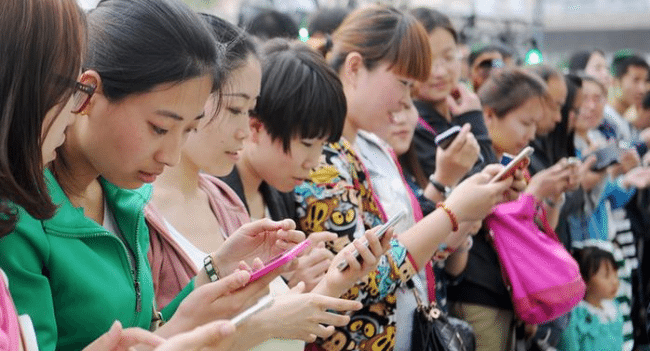
Friends, China’s marketing landscape in 2025 is a thrilling arena of innovation, speed, and connection! As Tesla charges forward in this electric revolution, we’re tapping into the top 5 marketing trends from leading agencies to fuel our success in China’s dynamic market. Inspired by the bold spirit of visionaries like Jack Ma, here’s how we’re navigating the future! 💡
Social Commerce on Steroids (Douyin & Xiaohongshu) Douyin (China’s TikTok) isn’t just for dance videos—it’s a conversion machine! With in-app stores, influencer collabs, and instant checkouts, Tesla’s showcasing Model Y and Model 3 through short-form videos and livestreams that blend entertainment with seamless shopping. Xiaohongshu’s “Rednotes” are our secret weapon, driving authentic, peer-generated content to spark trust and discovery among Gen Z and Millennials. 🚗✨ Source: SEO China Agency
Authenticity Over Celebrity: KOC Power Forget mega-influencers—Key Opinion Consumers (KOCs) are stealing the show! Tesla’s partnering with everyday users on Xiaohongshu to share real Model 3 driving stories, boosting 3X higher engagement than traditional KOLs. By encouraging user-generated content, we’re building trust and community, making every Tesla owner a brand ambassador. 🙌 Source: MarketingtochinaChina
AI-Driven Personalization Chinese consumers crave tailored experiences, and Tesla’s leaning into AI to deliver! From personalized WeChat Mini Program offers to real-time Model Y customization visuals, we’re using data to make every interaction feel unique. Over 90% of consumers love personalization—our upgraded Model 3 Long Range (753 km range!) is a hit with this tech-savvy crowd. 🤖 Source: HI-COM
Cultural Resonance & Guochao Pride China’s “Guochao” trend—blending national pride with modern aesthetics—is booming. Tesla’s weaving local culture into campaigns, like collaborating with Chinese artists for Shanghai Gigafactory events, to resonate with urban youth. Our focus on sustainable EVs aligns with Gen Z’s eco-conscious values, ensuring we’re not just selling cars but a vision for China’s future. 🌍 Source: seoagencychina.com
Livestreaming with Emotional Value Livestreaming isn’t slowing down—it’s evolving! Tesla’s hosting interactive Douyin streams, showcasing intelligent driving features and in-car personalization, with real-time Q&As to connect emotionally with viewers. By tapping into “cultural moments” like the Asian Games, we’re driving 25% higher engagement and boosting purchase intent. 🎥 Source: Campaign Asia
Aventec’s B2B Strategy in China: Powering Innovation with Precision! 🌟
Friends, in the fast-charging world of China’s industrial landscape, Aventec is driving transformation with bold B2B strategies that echo the visionary spirit of Jack Ma! As a leader in consulting and 3DEXPERIENCE solutions for CAD, robotics, and manufacturing automation, Aventec partners with businesses to streamline operations and spark innovation. Here’s how Aventec’s B2B playbook thrives in China’s dynamic market in 2025! 💡
Aventech’s Top 5 B2B Strategies in China: Supply Chain
Tailored Digital Transformation with 3DEXPERIENCE
Aventec delivers cloud-based solutions via the 3DEXPERIENCE platform, helping B2B clients like automation integrators and OEMs optimize project management, CAD design, and simulation. In China, where Industry 4.0 is booming, Aventec customizes workflows for manufacturers, reducing costs and accelerating production cycles by up to 30%. By offering scalable packages (Basic, Standard, Premium), Aventec ensures clients like Boeing or Fiat-Chrysler get solutions that evolve with their needs
Strategic Partnerships with Industry Giants
Aventec collaborates with global leaders like Dassault Systèmes to provide cutting-edge tools for robotics and process automation. In China, where EV giants like Tesla and BYD dominate, Aventec supports manufacturers with simulation tools to enhance production precision. These partnerships build trust and position Aventec as a go-to consultant for complex B2B projects, driving efficiency in supply chain
China’s industrial sector demands skilled talent. Aventec offers bespoke training programs on the 3DEXPERIENCE platform, empowering B2B clients’ teams to master digital tools. For example, Aventec’s training has supported companies like Schlumberger and Lockheed Martin, boosting workforce productivity by 25% through hands-on simulation expertise. In China, this aligns with the push for smart manufactur
Data-Driven Process Optimization
Aventec’s solutions streamline project documentation, revision control, and process oversight, offering clients a real-time view of project states. In China’s competitive B2B market, this reduces downtime and errors by up to 20%, helping manufacturers meet tight deadlines. Dashboards and notifications keep clients agile, a must in China’s fast-paced EV and automation sector
Localized Engagement for Cultural Resonance
Tapping into China’s “Guochao” trend, Aventec aligns its B2B marketing with cultural pride, hosting workshops and events in cities like Shanghai to showcase solutions. By leveraging platforms like WeChat for personalized client outreach, Aventec builds long-term relationships, mirroring Tesla’s focus on community-driven marketing. This approach boosts client retention by 15% or more infirmation
Why It Works in China
China’s B2B market thrives on speed, precision, and trust. Aventec’s focus on tailored solutions, strategic partnerships, and cultural alignment ensures it meets the needs of manufacturers racing to innovate. With clients saving hours and boosting efficiency, Aventec isn’t just a vendor—it’s a partner in China’s industrial future!
How it works? what is the industry like? Who are the consumers?
And a focus on how to market a cosmetic brand in China
Let’s start by introducing the market landscape.
Is this industry growing?despite the trade war, Yes, 12 to15% per year.
It really is an amazing market for foreign brand, because asian girls usually spend a lot of time and money on cosmetics.
Chinese people are becoming richer and when a chinese girl is becoming richer she spends more and more money on herself and buy more and more cosmetic product.
Overview of the Chinese Cosmetic Market
As a reference, korean and japanese use between 15 to 21 different cosmetic products for their beauty routine.
China is taking the same direction as its neighbors
And because of the huge population it is to become an amazing market.
Consumers are richer and women are sensitive about skin care and beauty.
West vs China
There is a difference between the beauty standard of the west and of China.
Let me explain roughly how it is: in the west most of the cosmetic industry is about make up.
In China it is different, most of the market is about skin care, personal care,
Women spend a lot of time on skincare every day and care less about makeup.
The beauty standard is natural beauty.
Cosmetic is also a very innovative industry.
Lots of different products with various applications that are created and launched every year.
China Cosmetic Market: An innovative Field
Most of the consumers like innovation, but what does it mean for you?
Concretely once consumers have found what works for them, they will stick to it.
For instance: I want to buy a lotion, once I’ve found the perfect one, I’ll buy it again and again.
In China, It takes a lot of time and effort to get customers,
However once you have them and they are happy about your product they will keep buying.
You will lose money to get them and only later will start to make money.
It is a very competitive industry,
you can go to any shopping mall to see it by yourself
All the brands are here, very aggressives, selling everything, every country are here.
I think China is a land of opportunities for international brand. Why?
80% of the total of the market is dominated by international brands.
The 20% left are cheaper chinese brand that nobody can compete with..
Chinese girls don't like to buy chinese brand when it comes to skin care.
If they have the choice they will buy an overseas brand because they trust overseas brand more than domestic brand.
Of course it makes sense, right?
Everybody prefers to buy a french brand, an italian brand a japanese brand…
rather than a chinese brand when it comes to cosmetics.
China doesn't have any positive feelings about chinese cosmetic brands either.
So it is an opportunity for almost all the brand in the world
How to market Cosmetic product in China
How to market a cosmetic brand in china?
Marketing it is about distribution, selling and branding. Basically they are link together.
What everybody wants is to sell their products; that is the foundation, the base of every business
Find a Distributors in China
In China the distribution is complex and I say complex and not complicated.
There basically is a lot of intermediary. Agents using distributors to find resellers to sell their products, their and their and their…
Making it very difficult to have control over the distribution process of your products.
If you want to have the control you need to have your own stores.
For that, you'll need money to invest first and later earn enough money to open a lot of stores in China.
Which takes too much resources: both time and money consuming
Most of the brand chose to work with distributors and the question that you guys need to ask is
“How can I convince a distributor to sell my products?”
It is not easy but you can find distributors online, you can prospect them, meet them in tradefaire, network..
There are more than 10 000 distributors in China.
They can sell wine and can sell cosmetics, they can be specialized in cosmetics, they can have a store, have an online store,
NotaBene:
They can have a big distribution channel, they can have the supermarket, they can have contact in the supermarket.
It is basically almost everything, it can be a hotel, a karaoke..etc there is many different types of distributors
You always need to ask yourself “how can I enter the right channel and convince distributor to chose me and not another one”
and once he chose you: “how to engage more to bring this guy's sells and make money?”
Lets focus on the first one
let's imagine I ‘m a chinese distributors and have access to thousands of brands,
I have a channel and want to make money.
it would make the most sense for me to choose the one that will allow me to make money quickly and effortlessly.
A chinese distributor does not want to invest in branding, they don't want to invest in their suppliers (you)
Yes I know what you are going to tell me,
You have a friend or know people that found distributors finger in the nose.
It was possible 5/10 years ago but times have changed.
Distributors want:
The brand to invest in branding, marketing and only have to take care about the distribution
which they are good at.
They want something easy to sell, fast money. Something they can introduce to their channel and find buyer fast. It is that simple.
When chinese distributors are with discussing with mid size brand, negotiation looks fine at first.
Basic steps of negotiatin with a chinese distributor
In a second step after accepting to meet you chinese distributors will check on baidu, if there are no results they will think twice before signing this brand.
They want to find :
positive reviews, stories, page about the brand
taobao &Little Red Book.. to check if there is already reseller. If yes, that is positive, this means someone is already buying from them.
Next step is the social media check: are the accounts alive? are people engaging?
The third Step: After the basic check they will evaluate the potential of the brand.
If they think the brand has potential, great, otherwise they won't take risks.
For us the first step is to work on the reputation of our client.
This way, when they meet distributors they appears to have potential, it gives them a better chance to sign a deal.
Build a distribution network in China
Brand then need to work on their distribution network, find more and more distributors.
You can choose for instance to have one big distributor that has a big distribution network himself
and will basically do the networking job for you
The second option is to control the distribution channel by setting up a distribution network (find a lot of distributors),
As I mentioned earlier, there are many distributors and you can find them everywhere
then chose to manage directly with those guys on a daily basis. This way you’ll be more active in the distribution process
Sell online
You also have the possibility to sell your products online, on your own store.
It takes more time and effort but it is possible. Same goes for a physical store. Everything is possible.
Most of our clients are looking for a cost effective solution and that is why they are going for the resellers option.
Once you’ve developed a strong network of distributors, you’ll be able to start working on brand awareness.
Brand awareness is a big part of your budget.
The biggest the market is, the more money you need to put in you brand awareness effort.
We are talking millions. But if you invest millions and do not possess any store, you are wasting money.
However, if you already have many stores, to make it simple
you’ll be credible to the target which is a strong converting point as they’ll be able to find you everywhere.
How to build your brand awareness in an efficient way?
Kol
KOL is the number one source of brand awareness.
Kol = Key opinion leaders / influencers.
Kols are mainly girls who have been developing a network of followers and you pay them to review your products.
The more you work with them the more trust you’ll have from your target audience.
Chinese consumers almost have a blind trust toward KOLs. Not only you buy there network but their credibility.
Influencers in China are a KEY point of your branding effort.
Social media is another non negligeable option.
Social Media
China number one social media is weibo. Weibo is still a popular platform for the cosmetic industry.
Chinese girls check cosmetic related content everyday on weibo, they follow brands account.
You have the choice betweensponsored post, create game..
And for a cheap price you'll get a big audience. Really good for massive exposure, similar to facebook.
In the west,
Alibaba ecosystem
Weibo is also a member of the alibaba eco system,
making it easy to sell on taobao, tmall , Little Red Book etc
You simply have to put your store link to your weibo account and easily drive traffic from weibo to your store.
Weibo is open, it is pretty simple to find an account or information about anyone.
Peoples tends to follow official account easily.
On weibo you can be commercial, it won’t go against weibo rules.
You can give discount, people actually follow brands to get these kind of discounts, get gifts and get commercial info.
If you are an advertiser, weibo is the place for you to be
T
RED aka Xiaohongshu (the app).
What is little red book?
It is a social ecommerce platform, based on community.
If a netizen like a products he/she sees on the app, he can access the store directly in the same app.
Really popular in the beauty industry. Why?
80%+ of the users are girls. Girls that like international thing, premium products.
Xiaohongshu the cosmetic market king
If you are in cosmetics are really recommend you to use the app.
The other benefice of the app is that you can set up your own store.
It is not that expensive, you can do crossborder and you’ll have to communicate with KOL (which we already said is a must do).
The influencer on LRB use to be the best for promotion but are now closer to what you’ll find on instagram for instance.
They speak about their world, their things and then your products (which make them more real as well so it is positive).
It is first about something interesting and then your products. If your products sounds good, her followers will click on your link.
Focus is on the community then ecommerce.
Review app
The other positive point about LRB is that a lot of women are searching the app to find information about your product. Today girls do not trust comment on taobao or ecommerce platform, there is no real review.
On little real book testimonial are real, people are commenting.
They are here to look for information, feedback on the LRB. this is how LRB has been doing so well since its launch.
You can use a lot of people on LRB to test the product and let reviews that will stay.
They will be part of your brand zone which is pretty awesome for brands.
I believe it is the future, because it is cost efficient and makes me think of a chinese version of instagram.
Instagram has become so popular because of its visual and I think LRB will have the same future
even though the little red book is more about making money, ecommerce oriented.
It is basically instagram with chinese characteristics. I can not recommend this app enough to any brands wanting to dvp in China.
BAIDU SEO & UNDERCOVER SEO
I’ll then recommend baidu. I know you are not convinced but people are
still looking for information on baidu as a third party option.
Baidu is number 1 search engines in China
They will look for comments, reviews, articles, price release, sources.
I don't recommend to do seo on your website but create useful content about your brand, how your brand solves problems and market this on baidu as a third party.
This is what we call undercover marketing and seo optimization which is really efficient.
For instance: girls may have problems, let's say dry skin issue.
The first is going to be search on baidu for solutions “my skin is dry, is there a good lotion for that?” etc
They wont click on the brand website, they are aware that no brand is fair/neutral about their products.
But they will click on chat thread, on Q&A, on forum, on Press release and then they will take a decision.
Baidu is really effective as long as you know how to do it.
To sum up, it is not about baidu but your work on the baidu ecosystem to market in an undercover way your brand.
TAOBAO
The last thing I’ll talk about is taobao; today a lot of influencers are moving to taobao to live stream.
We recently observed a very good activity from influencers on taobao.
They use to create a lot of things but today they are calling it very simply such as taobao live streaming, taobao influeuncers.
Influencers are highlighted by taobao.
Taobao is powerful, everyone has taobao. It is magic, it is their world.
Women are really active on taobao,
What do poeples use taoabo for?
Taobao is number one app for their search.
They are used to go to taobao and just check the product, they can spend hours and our just looking at products.
It is not just a platform more like a shopping experience, girls like shopping.
Instead of walking the street to shop they open taobao discovers new products.
They like taobao, and taobao founds out that they like it; there are 400 millions of active buyers on taobao. People go to taobao and check products store etc
Taobao Live Streaming
The platform has developed an ecosystem of influencers that users would be recommended.
Taobao invest a lot in videos and recruits influenceur they find on weibo and other platform.
This influencers are reviewing various products in various formats.
Such as shopping TV show where you can see people talking about this or that.
(When you have time, open taobao and have a look.) It is a good way for brands to get exposure.
Wechat Marketing to Sell Cosmetic
The last option would be wechat. Wechat is very good if you have a community.
I recommend any brands to have a wechat account. Wechat is about growing your community, it is perfect for newsletter.
People have different opinion about it. Some are very successful other less.
This is always the same story, if you do things right, you can be really successful on any channel.
However, if you spend the same amount of time and money than on the options we talked about earlier, results won’t be as good.
Wechat is for long term.
ECOMMERCE
It is time to talk about ecommerce
You have two options here
Crossborder or china ecommerce
If you don't have the licence to be in China you can still sell your product to China via crossborder.
Every
time there is an order you ship it to your customer or you have a
warehouse in a chinese free trade zone from where you’ll be able to ship
directly to your customers.
It means every company in the world can sell in china. There are many
ecommerce platform for Cross border, Tmall, Jd.com, Little Red Book,
Kaola etc
I’ll split them into two groups
you manage your store like tmall, you manage everything, you invest, market etc
Kaola, Vip etc You just need to sell the product to the platform and they will sell, it is a distributors model.
To integrate any of these platforms you need to have a strong brand ready to sell.
CROSSBORDER ECOMMERCE
The first type of platform allows you more freedom to work on your branding, results.. You need to invest and can control the data, manage store and logistic..
I recommend you to opte for this type.
The second one is more like a traditional distributors
Note that, Tmall china is different from tmall global (or jd china etc).
Tmall china means you are already in China and have all the documents required.
Opening a Tmall china store, is easier, less expensive, has better management option than tmall global..
You’ll sell more on tmall china than tmall global because it is easier for the consumer, they want to be delivered fast which is not happening with crossborder.
For tmall china you can get faster results and bigger results. Tmall crossborder, it is just a first step between we are not in China and we are moving to china.
It will never be big.
The key to success for this platform is once again branding, let me explain why;
if you have no brand, Tmall won't take you in.
they are taking in big and famous brand. Tmall is a shopping mall, you go there, rent a place and have a store.
I
f you have no attraction for you brand you won't sell, you CR will be low. If you CR is around 5% for instance this means if you get 100 visitors, you’ll get 5 sales and start to make money with a good ROI.
How you improve CR? Branding.
If you bring visitors to a loreal page 5% or more, maybe 10% will purchase.
There cost of acquisition will be the same as another brand with a 0,1% cr which means they will need 1000 visitors to make 1 sale when loreal get 5 sales with 100 visitors.
Everything is about conversation because the cost of traffic is almost the same for anyone.
You need to buy traffic, KW etc on most of this platform you have PPC, banners and ads outside of tmall that brings traffic to your page.
The more you pay the more traffic you get. The more you sell the more you review, the more you sell. Snowball effect.
That is why 20%-30% of the brand on tmall are making 80% of the global sales. I think I gave you a good overview of the different options you have for the cosmetic overviews if you are a brand.
91% of Chinese online users have a social media account
Chinese users are likely to buy products purchased by other social network users. In China, there are about 634 million Internet users and 91% of Chinese online users have a social media account, compared to the United States where about 67% of the online population counts on social media. About 500 people use mobile devices to access the Internet. Every day, Chinese Internet users spend an average of 46 minutes on social networks.
Social media platforms
The user follows an average of eight brands and more than 38% of Chinese Internet users make their choice based on the recommendations they find and read on social media platforms Sina Weibo marketing, WeChat marketing, etc. You have forgotten to Facebook and Twitter as key plates worldwide to market your products or services, unfortunately, in China they are stuck. When it comes to Chinese social media marketing, you need to use different tones to communicate with your Chinese audience on its own social media platforms, such as Weibo (Facebook and Twitter equivalent in China), including Sina Weibo, Tencent Qzone (equivalent Facebook and Twitter in China), Tencent QQ (instant messaging tools), Tencent Wechat (mobile communication application and private private network), Renren (Facebook equivalent in China) and Youku & Tudou (YouTube equivalent in China).
Social media has become essential in the Chinese lifestyle
Through this plaque-shape, brands have the opportunity to create original experiences for their consumers. Social media has become essential in the Chinese lifestyle. Consumers use platforms to find and share information and opinions about products and services. For companies in China, forms of social media platforms in China is an effective way to interact with consumers. Social networks are also useful for developing consumer research, product launches and crisis management.
Tencent, Weibo and Momo three are the main social media platforms that are winning shares ads in China. There are advertising dollars for your Internet companies to extract. Marketing on Chinese social networks is possible because there are many Chinese applications and Chinese websites that offer their services and platforms to advertise anything of ideas or products through Chinese social networks and get a tremendous traffic response instantly. Grow your business with 3 Chinese social media platforms and get a positive response right away.
Top Advertising Revenu for momo weibo & wechat
There are many WeChat marketing agencies and marketing experts available in China that offers your full time and part time services to urgently contact and increase your business sales throughout China. Great multilingual experience that is ready to perform pioneering performance and unique technology services for instant response and instant income. There are many advertising techniques you use to attract communities and spread the recognition of services. Weibo vs WeChat vs Momo all three applications are more prominent and ideas for each business community. All of these services have a good marketing response and are of great value in China, which plays a vital role in getting people to know about different products and letting them get more details on specific products or items for instant response. It is an era of advertising and the era of modern technology that urge people to plan what they want and the market can fulfill their dreams to attract Chinese communities through attractive online campaigns.
source : http://netprecos.com/2017/03/wechat-momo-weibo-are-winning-the-advertising-ads-in-china/
China has about 710 million Internet users, indicating an Internet penetration rate of 51.7%. This number has steadily increased over the last decade, from 111 million at the end of 2005 to 457 million in 2010 and 688 million in 2015. This makes China by far the largest online market in the world. World in terms of users. In addition, the digital population of China must double in the next 10 years that the rest of the country is online. As such, digital advertising spending increases. While advertising spending in other sectors than print and television has stabilized, total digital advertising spending increases from $ 23.6 billion to $ 83.59 billion between 2014 and 2020, Devoted to mobile platforms.
The main recipients of digital advertising are the three main Internet players in China: Baidu, Alibaba and Tencent, commonly abbreviated as "BAT". Together, they appear to account for 60.6% of all digital advertising revenue in 2015, which is expected to increase to 66.8% by 2018. On mobile platforms, these figures are even higher from 71.1% 2015 to 74.4% in 2018.
check aslo http://www.airmaxukonsales.co.uk/marketing-advertising-china/
Online Advertising in China from $ 23.6 billion to $ 83.59 billion between 2014 and 2020
Baidu is often called Google of China is the biggest search engine in the country. It also offers many similar services to Google Maps as Baidu Maps and Baidu Netdisk, a cloud storage service. By 2015, Baidu held 80 percent market share from search engine revenue, with 71.4 percent of the research in the country having been done on the plate from October 2015.
With the products of his mother Alibaba mother, Baidu market share in mobile search is smaller and low. In Q3 2016, 44.5 percent of mobile searches were carried out through Baidu.
Revenues on Baidu come mainly from its search engine advertising services, which use pay-per-click (PPC) technology. Advertising on Baidu is similar to the use of Google Adwords and revolves around search engine optimization tools (SEO). As an advertiser, you can buy keywords, and yet four of the displayed search results have been selected for Google search results.
For a certified certificate on Baidu, companies must fulfill certain conditions. First of all, like the search engine, a Chinese website is required. In addition, Baidu requires foreign companies to submit a digital copy of the enterprise registration certificate issued by the government concerned to manage its account registration.
http://www.airmaxukonsales.co.uk/marketing-advertising-china/
After getting certified, it is important to manage his Baidu campaign effectively, and locate the ads. Although this process is comparable to using Google AdWords. Having a Chinese website is essential because the search engine does not index many non-Chinese pages. In addition, hosting the site outside of China will place one at a disadvantage as these are ranked lower on the platform. Additionally, advertisers are seriously considering other integrated payment services like UnionPay and Alipay
Social media and e-commerce have converged on smartphones in China, thanks to an innovative application. Since its launch in 2011, WeChat has grown from a messaging client to WhatsApp true style in a single window for managing lifestyle. Without leaving the application, loyal users of WeChat - whose number is fast approaching one billion - you can book an appointment with your doctor, ask for a taxi, and buy products directly from manufacturers. At least one of every five users WeChat has linked to your debit or credit, a potential bonanza of cash of which Mark Zuckerberg, can only dream of.
Wechat a Content Social Networks !
Like most professionals in the continent, his mother used instead WeChat email to conduct much of their business. The application offers everything from video calls and group chats instant news updates and easy sharing of large multimedia files. It has a service oriented similar to slack US business chat. Yu Hui's mother also uses your smartphone camera to scan QR codes WeChat people (Quick Response) who knows much more often these days than swapping business cards. Yu Hui's father uses the application to do online shopping, to pay for goods in physical stores, settle utility bills and tabs dinner with friends split, with only a few taps. He can easily book and pay for taxis, ball mass deliveries, theater tickets, hospital appointments and holidays abroad, all without having to leave the WeChat universe.
source http://seoagencychina.com/wechat-social-media-agency-in-china-shanghai/
As an equity investor puts US venture, WeChat is there "at each point of their daily contact with the world, from morning till night." This state is the center of all Internet activity, and as a platform through which users find their way to other services, which inspires Silicon Valley companies, including Facebook, to closely monitor WeChat. They are entitled to cast an envious eye. People who divide their time between China and the West complain that WeChat leaving behind is like stepping back in time.
Among its services, is perhaps their promise of a cashless economy, a recurring dream of the Internet age, which impresses viewers more. Thanks to WeChat, Chinese consumers can navigate their day without spending once banknotes or pulling plastic. It is the best example of how China is shaping the future of mobile Internet to consumers around the world.
source : http://www.economist.com/news/business/21703428-chinas-wechat-shows-way-social-medias-future-wechats-world
This is logical, for China manufactures and put to good use more smartphones than any other country. More Chinese access the Internet through their mobile phones than they do in the United States, Brazil and Indonesia combined. Many jumped from the pre-web era directly to the mobile Internet, bypassing the entire personal computer. About half of all sales over the Internet in China takes place through mobile phones, compared to about one third of total sales in America. In other words, conditions were all there for WeChat to take flight: new technologies, business models built around mobile phones, and above all, customers eager to experience.
It's just a matter of time before this functionality, or something, is the norm worldwide. Now it's time for brands to begin to prepare for a future in which social media will not only be a place in the market, but also an important market in itself. Our recent work, "The use and value of information on the social network in the selective sale" describes how, unlike the current paradigm of e-commerce, selling social media will prosper no transparency and accessibility, but in strategic exclusivity.
selective sale : it works on Wechat
the media, most avid users include those who get pleasure from the envy of their peers. Facebook, Instagram and others offer a myriad of ways to show off, flaunting the latest designer handbag social concern advertising through a charitable donation announced publicly.
That's why luxury companies like LVMH have seen a huge increase in the use of social media among buyers of exclusive products, limited edition, especially in the key growth markets of India and China. Naturally, LVMH has begun using social media to identify and market to customers who likes one changing her friends. Theoretically, this select group of customers - if they could be identified - would jump at the opportunity to buy a product designed just for them. So far, however, efforts by LVMH in what we call "selective sale" have been hampered by the disordered information gathering and the huge volume of data available.
The seamless integration of electronic media and social commerce represented by WeChat could be the solution. Some companies are already beginning to exploit the possibilities - for example, Tiffany & Co. uses his official account WeChat to refine customer segmentation. Hitting the bull's-eye will depend on the ability of a brand to identify which customers, for all of your social media, are the objectives of greater value to the selective sale. That is where our research.
read also Why Chinese prefer to buy online
Knowing your customers
In our study, we used mathematical models to reproduce the typical behavior of social media followers who like to show off. We also take into account the fact that companies differ in how much they know about their customers on social networks. Some know nothing or almost nothing. But there are two types of information that are useful: the degree of connection (ie, how many friends have each client) and the degree to which each client participates in a consumerist superiority (researchers call this "visibility"). totally uninformed companies obviously can not participate in any segmentation; Companies that have one or both types of information clients can use all available data to target customer cure.
Try different combinations produced a couple of interesting general principles. First, the most popular guests were not the high value of the majority. Fully informed companies did better when targeting customers with a high level of visibility and an intermediate number of followers: high enough for purchasing touch off the effect desired envy, but not so high as to reduce the novelty of product - and, by extension, its value in the game of competitive consumption - too.
Second, not all customer information is the same. It was found that knowing how many friends have every customer is much more valuable than knowing his propensity to show social media. Both types of information are better than no information, but information visibility add any value to companies who already knew the extent of social networking connections of its customers. In addition, information visibility value added amounted to between two and six percent gains in profits, while connection information presented increased profits ranging from five to 30 percent.
What Chinese customers want
The difference in value between the two types of information highlights another general principle of social means of collecting information. Information is always less valuable when describing aspects of customer behavior that align directly with business goals. In this case, the customers' own actions can compensate for lack of knowledge - the most prolific conceited are not shy about showing you what they are. They happily eligible for a program of selective sales, assuming the marketing campaign were strong in most other respects. In fact, the company can design appropriate systems that have self-selection in the relevant segments of customers.
Privacy concerns
The use of a collection process more demanding information, rather than a data dump, helps companies avoid conflict with the privacy issues that are likely to continue increasing as e-commerce and social networks They are become more intertwined. The advent of WeChat announces the transformation of social networks in digital main streets, where products can be found and displayed in an uninterrupted sequence of clicks. Looking ahead, brands will have to cultivate a neighborhood intimacy and trust with your customer base. That means that e-commerce will become more dependent on tactics adapted as selective selling, and less on off-the-rack approach.
With its huge population and exciting business opportunities, China attracts a lot of foreign companies. Those foreign companies want to enter the digital wonders in the Chinese market represents.
One of the nation’s largest online cosmetics businesses — backed by retail giant Woolworths — will today announce its expansion into China by selling products through Alibaba’s giant online retail platform, Tmall. Adore Beauty’s Tmall offering will feature 50 products, including six popular Australian brands that are currently not available in China, including evo, Lanolips, asap, Alpha-H, Skinstitut and ELEVEN. While a host of Australian companies such as Blackmores, Bellamy’s and Murray Goulburn were hit last week by the Chinese government’s moves to tighten its grip on cross-border e-commerce, cosmetic imports are set to be a big beneficiary of the regulatory changes. The tax rate on cosmetics if the value of the purchase exceeds 100 yuan will now be 32.9 per cent, compared to 50 per cent previously. “We are taking a test and learn approach. We are starting shipping out of Australia first before we look at shifting stock over to a bonded warehouse in China,’’ said Adore Beauty founder and CEO Kate Morris
With over 688 million users in 2016 and a vibrant scene of social media, a strategy well thought out digital marketing can work miracles.
Brands are being more creative than ever and coming up with interesting and challenging campaigns. Here are some tips to follow if you want to succeed in their integration into the Chinese market.
Using search engine for visibility!
When the Chinese need to find information or check something: use Baidu.
Google is our first choice when we learn something for the Chinese is the same with Baidu. "Baidu Yixia" means Google!
In 2015 in China, Baidu became the first search engine with a market share of 65%.
To connect with Internet users, Givenchy's strategy in China is the use of a new and nonconformist star.
source Maximize social Media
Brand Campaign
The brand chose Li Yuchun, who became famous when he won "Supergirls", a singing contest. The singer stood out as it was not in accordance with normal standards of beauty. She dressed very simply and had an aggressive voice. He quickly became a new symbol for Chinese netizens and has reached 3.6 million followers. With a participation of more than 20,000 with each of your social networking messages, I was forced to call attention to a brand.
Working with icons like Li Yuchun offers high visibility in China.
Influential are the way to go!
With Chinese Internet trend and share everything they see online, content can go viral quickly. They trust and seek the judgment of experts and opinion leaders are the way to go if you want your content to be seen by many.
What Digital Marketing Agency Provides ?
Beauty Influencers
To help Brands to connect with the best influencers in the beauty industry in China.
create attactive content, contest and help to connect them.
Video & Photos shooting
organize Photos and video for Brands want to get positive image in China.
create scenario, manage the Shooting and the post production.
Branding Agency
local experts combined with Foreign strategists are dedicated to developing the most effective digital strategies in China, in beauty Market
Difficult to get good information if you are focus on your brand.
In China there are several search engines, but Baidu is the most popular. Baidu is the first Chinese search engine and is the largest source of referrals to any information related to China, as well as sought by Chinese visitors.
2. Provide unique and qualitative contents
Copy and paste is not something that is prohibited by most Chinese search engines. By using search engine based in China, can be more flexible in adding content to your website. You must realize that the standards set by Chinese search engines are not as strict as determined by Google and other search engines based in America.
3. Never criticize the Chinese government NEVER!
It is important not to be violated, otherwise you will have problems. Avoid possible sensitive issues that have a tendency to attack the policies of the Chinese government.
4. Optimize the home page for Baidu
Try to keep your home page full of information and links. The difference between Chinese visitors with visitors from other countries is its penchant for visiting the home page that contains a lot of inbound links. The more, the better recoil and this habit with the support of several Chinese search engines, including Baidu.
5. Reverse campaign
As already mentioned in point 4, backlink is a very important thing in China. The more backlinks, the more easily a site can be detected by Chinese search engines. The article quoted a famous website can be used to improve search. Try to find quality items famous websites, and rewrite in your language and then you can find at least one outcome of satisfaction regarding SEO.
6. Build your reputation
Use a different server if you have more than one site. It is also not allowed to use a shared server to accommodate more than one site. This will result in your site it will be blocked by the Chinese government. Use hosting services based in China also to facilitate visitors in finding your site.
7. Do not forget to buy Baidu label
Tag is a very important thing. By using the label proportionally so you can maximize your efforts to make your site easier to detect by Baidu and other Chinese search engines.
China has one of the most exciting and challenging Social media markets in the world. Due to the size, complexity and diversity of the country can not find savvy marketers China as a single market, but as a collection of evolving, complex and fragmented markets.
Digital And advertising in China
Although the new media was not replaced traditional media, traditional media began to erode dominance. Advertisers confronted with a wide range of platform options, especially in digital media, events, sponsorship and other forms of branded content. Each of these platforms offer, to achieve new ways and with consumers.
China's media market is about to launch a hyper-fragmentation era, media agencies and advertisers have many choices when Media plans to develop. This may surprise foreign advertisers who are used to having less choice in China. The biggest challenge for advertisers in China is how to manage these decisions and to evaluate, while increasing the effectiveness of the media and to generate higher returns.
Generally performed China advertising market increased by 9.8 percent compared to last year in the year of 2009. In 2010, benefited the Chinese media market of the Shanghai World Expo and the Asian Games in Guangzhou, Guangdong, as well as accelerated economic growth. Advertising spending in China is likely to increase 12.8 percent in 2010, according to estimates by GroupM China. For many advertisers, China remains an important market with a promising future.
Media market influences
exceeded the average daily use of time on digital media, that time spent daily on digital media time per person exceeded on television for the first time in 2014. And 50% in the year, 2015.
Chinese spend about 50.4% of their daily time on new media, 43.6% on TV, 3.1% on the radio, and appreciated only 2.9% on printed products such as newspapers and magazines in 2015, by iResearch.
Four main elements have influenced the development of the market for Chinese media in 2010 and to do so in the year 2011th
Incomes for Brands ?
has been Although the final 2010 statistics from China has not been released, per capita income increased by 173 percent between 2000 and 2009 in urban areas, of ¥ 6,280 ($ 945) to ¥ 17.175 ($ 2.584). the volume of retail sales nearly tripled during this period. The Gross Domestic Product (GDP) of China rose by 9.1 percent in 2009 and the International Monetary Fund predicts that China will help lead the recovery of the global economy, expanded by 10.5 percent in 2010 and 9.6 percent in 2011 continued expansion in consumer spending is investment to be the basis for advertising in China's growth in various media platforms.
retail trade
The growing number of stores and other retail outlets makes brands more lower-tier cities. Advertisers need to invest to reach and attract new customers in the cities of second and third tier, which are growing faster than the developed cities such as Beijing, Guangzhou and Shanghai (see CBR November to December 2010, reaching the China Next 600 cities) ,
Price of the media in China : Huge inflation
The increase in communication costs will force advertising budgets to increase. TV remains the medium of advertising seller where large chains such as China Central Television (CCTV), Beijing TV and Shanghai Media Group to exercise enormous power and influence. This achievement is not only commercially: For example, CCTV remains vocals of the central government and the media is the social, political and cultural. The airtime demand far exceeds on major TV channels, subject to the strict limitations airtime. Local suppliers are able to price list (full price lists of the media owner rate published) to define, in accordance with and to maintain revenue growth. Advertisers should understand that the strategic marketing considerations are often a low priority for this TV channel. The dominance of television ensures that China's media market will continue to provide price inflation in the foreseeable future, and advertisers should maintain a positive relationship with large TV for the best prices.
Government policy
The Chinese government introduced in 2009, the Tri-play policy (including TV broadcasting, Internet and telecommunications) and a new rule of radio advertising. The Tri-political game designed to promote the development of digital media; the distribution usually limits the amount of advertising time on national television allowed. Today the media owners are on different platforms should work together all the advantages of the complex media environment and rich history in China and take notice.
TV in China
TV dominates the investment vehicles in 2009 with a share of 63 per cent of the total expenditure of China to set advertising, television and continue the direction of the advertising market. Toiletries, food and pharmaceuticals were the top advertising categories representing together approximately 40 percent of all investments in television advertising.
China TV coverage reached 97 percent in 2009. As a result, the TV still receives the largest audience and keep its advantage as the primary means in the short term. Television advertising in China probably rose 9 percent in 2010 and an increase of almost 10 percent in 2011, according to forecasts of GroupM. Four trends will influence future development of traditional television.
Prolonged TV viewing time in rural areas
see TV time longer in rural markets is a driving force in the development of the television industry, especially when combined with the further expansion of the advertisers in the cities of the second and third. In 2009, the average per capita TV listening time is increased by 10 minutes per day in rural markets, but the average fell by 1 minute per day in urban markets.
TV market in China several levels is more complicated than Western markets. CCTV, top broadcaster China alone has 18 channels. In addition, China has more than 270 provincial and 728 local television stations or city level. Most resorts can use advertisers TV to their pressure distribution and presence fit, either locally or nationally. As businesses expand distribution networks in small towns, they will also increase their TV advertising investment. Chains of national and provincial television, in particular will benefit from the increase in television advertising budgets.
Adoption of new media
Traditional TV is facing tough competition as new media for a greater share of competing time viewing. The competition is particularly acute among young audiences and higher income in urban upper class. In 2009, spent the average time Chinese youth (15-34 age) reduced television, while the 45 and older 5 minutes spent watching TV each day compared to 2008. traditional media companies to this change, the adoption of new and traditional platforms integrate. National television stations have their own websites, such as China Television Network, Jinying Hunan and Anhui station web constructed to increase the audience.
Rules stricter Laid
In September 2009, the PRC State Administration of Radio, Film and Television (SARFT) issued new rules on radio and television advertising. The rules limit the amount of advertising space at certain intervals and to prohibit certain advertising content. SARFT in the same month were also regulations that limit the platforms and the timeliness of the TV shopping advertising programs and home shopping.
In April 2010, Shanghai has Oriental Media Group, the Shanghai Oriental Shopping Channel, the first analog channel created dedicated 24 hours teleshopping. Shanghai Oriental has the first teleshopping license in China, to improve the access of Chinese consumers on teleshopping market. This movement shows the intention of the Government of the PRC to normalize the teleshopping market.
The rate hike
national inflation from China are channels debit card average of about 11.5 percent in 2010 from 17.0 percent in North China at 10.7 percent and 13.6 percent in the central and southern regions. Overall the TV card inflation probably reached 13.4 percent in the year of 2010.
Internet, and the age of Digital Marketing
The population of China Internet (Internet users) has reached 420 million by June 2010, an increase of 22 percent over the previous year, according to the Internet Network Information Center China (CNNIC). About 98 percent (364 million) of Internet users to the Internet via broadband. The number of Internet users in rural areas reached 115 million in June 2010, 27 percent of the total population of China Netizen. The growth of Internet users in rural areas in China slowed 2008-2009, however.
The total rapidly growing number of Internet users is supported by rising disposable income, trade policy positively to the electronics and information technology (IT) infrastructure development. The introduction of third generation network in China has more people makes the Internet with mobile phones to access. In June 2010, 66 percent of Chinese Internet users on the Internet with mobile devices. present The rise of mobile Internet users more options for advertisers in the mobile market.
In 2009, revenue from Internet advertising in China reached ¥ 20.7 billion ($ 3.1 billion), according to iResearch Consulting Group. Network services and applications, automotive and IT products are the main categories of online advertising that make for almost 50 percent of the market for Internet advertising together. The advertising revenue search engine in China reached nearly 7 billion ¥ ($ Euro 1 billion) in 2009, which provide an increase of 38 percent over the previous year and a strong reflection of the ability of the environment, a cost effective and targeted communication. Online display advertising, classified ads, social networking and online video sites have fueled the development of Internet advertising; Advertising revenues in each of these categories has increased dramatically in the year of 2009.
Ecommerce in China !
China's e-commerce market was growing the best performing sector in 2009 in accordance with the use of 68 percent over the previous year. Of all the e-commerce applications (including online shopping, online payment and booking travel online), online payment has experienced the fastest growth, with the use of 81 percent compared to 2008 due to the growing population of online shoppers stimulated.
The number of online shoppers in China reached 142 million in June 2010, representing nearly 34 percent of Internet users. According to iResearch, the advertising revenue from sites online has sold in China more than in 2009 by 2008 in a ¥ 263 billion ($ 39.4 billion) doubled.
Blogs and social networks
About 58 percent (221 million) of Internet users in China has blogged in 2009, according to CNNIC. Among them, the number of active bloggers (those who updated their blogs in the past six months) increased by 38 percent over the previous year to 145 million euros. The main factors for this increase were the increase in Internet penetration and popularity of micro-blogs, which allow users to send updates to small fragments. Micro-blogs are becoming increasingly popular in China, because they incorporate the features of the traditional blogs, instant messaging and mobile communications across platforms. more interactivity and ease of use have led to more regular updating of micro-blogs than traditional blogs in general. The growing popularity of microblogging in China requires advertisers and agencies to review their marketing strategy and communications. Advertisers need to create micro blogs to promote new products, deliver brand messages, and build relationships with consumers and maintain.
With the growth of Internet penetration and acceptance of online applications that extend the user their real relationship to the company online (see Social Media in China: the same but different). Hence arise many social networking sites. Nearly 50 percent (210 million) of Internet users in China visited social networking sites in June 2010. Advertisers should consider social networking sites as well as traditional online display ads, especially when communication with young target group. Advertising on these sites is likely to significantly increase in the next two years and require an interactive and responsive communication strategy.
Online games
Online gambling is the only form of entertainment in line with the increase in use in China, with 296 million online game players in June 2010 by almost 12 percent since the end of 2009. Although advertising in online games is still stuck in its infancy, have most customers indicated a willingness in this area, because to invest in that the platform offers the opportunity to strengthen the commitment and brand association. For example, Coca-Cola Co. and Nike Inc. have each entered into agreements to expand with online gaming companies in China, its presence on the Chinese market. Companies that advertise should be aware in online gaming that the industry still lacks a strong control over the content and the ability to monitor data, however.
future Clients via Social networks
With the acceleration of economic growth, major events such as the Shanghai Expo and the 2010 World Cup in South Africa, and the increasing popularity of online video and social networking sites, GroupM provides that revenue from advertising on the Internet annual China increased by 30 percent increase in 2011, a greater proportion of advertising expenditure in the near future coverage of the Internet increases, the Internet will attract advertisers and gain the content improves and understand advertisers as they make optimum use data collected online campaigns. The Internet will dominate the marketing strategy of advertisers who spend the largest growth areas advertising are likely to appear, sponsorship, joint promotion and original content otherwise in 2011 and 2012..
newspapers is failing down !
In 2009, the main sources of advertising revenues in newspapers and business services, real estate and construction, automotive, which together accounted for approximately 50 percent of advertising revenues in newspapers China were. Driven by the Shanghai Expo, domestic services and tourism can cause in newspapers to higher advertising spending. The advertising revenues of newspapers is likely to increase 13 percent in 2010 and an increase of 5 percent in 2011, according to forecasts of GroupM.
Despite rising advertising revenue, the newspaper industry is facing significant external and internal challenges. Intern unfair competition on prices, discounting and conflicts between the media groups developments in the sector have hindered. The external challenge comes from the emergence of new digital media. China's first digital newspaper, Zhejiang Daily, launched in February 2006 and 33 newspaper groups, more than 300 newspaper offices and more than 500 issues of the newspaper had gone digital by the end of 2008 How the pace of life increases in urban areas, citizens, no time or patience to sit a full story in the newspaper and read, prefer to access the latest news and entertainment information via the Internet or by mobile phone. In June 2010 230 million active users read the messages on mobile phones. If traditional newspapers adopt digital technology, for example by mobile newspapers, they are more market opportunities and challenges of the growing popularity of digital media. Thereby the efficiency of investment and the attractiveness of advertising in newspapers increased.
Online News in China
China has more than 9,500 journals, but they represent only 2.3 percent of national advertising investments. Toiletries, cars, and personal items accounted for more than half of total advertising revenue magazine of China in 2009. The advertising revenue of the magazine GroupM increased 12.8 percent compared to 2009 projects that income increased 18 percent in 2010 and to increase 5 percent in the year 2011th
The key factor for this growth is the increasing affluence of Chinese consumers. Rich consumers have a wider choice of lifestyle and leisure. Magazines who respond to wealthy consumers a small but loyal readership and offer value for brand advertising to strengthen. For example Bazaar Men, HisLife, Mr. Leon Modern and L'Officiel Hommes have all launched in China in the past two years to life have publishers the opportunity identified for magazines menswear in the Chinese market. China overtakes the US as the second largest luxury market in the world in 2009 and the future of his industry magazine advertising is bright.
facing Like other traditional media, but the magazines are a threat to the digital media. The publication of Amazon.com Inc. Kindle in 2007 marked the beginning of the tablet era. Other companies such as Axus Technology, LLC; BenQ Corp. Fujitsu Ltd. Google Inc. Hanvon Technology, Inc. and Sony Corp. also entered this market. In 2009, Chinese consumers bought 693,000 e-readers, up 121 percent over the previous year. This boom began in 2010 with more than 3 million sales of electronic readers.
Home Consumption in China
Although the performance of China outside the home (OOH), which remained stable from 2008 to 2009 promotes market for consumers in public places such as on billboards or traffic systems, the prospects for OOH advertising continues to be positive. GroupM projects Ooh advertising spending approximately 16 percent increase in 2010, mainly by the advances in digital OOH advertising.
Three important factors affect the OOH market development in 2010:
The Chinese government has made great efforts, the OOH market before and to regulate some traditional OOH panels during the Shanghai Expo and Guangzhou Asian Games, in particular by deleting. This left more space for the media to digital signage such as billboards mega-LED.
To adjust these important events, the Chinese government has increased investment in the traffic in the city, which the development of liquid crystal displays in buses, subways and taxis has progressed.
three-dimensional films have a mainstream cinema and cinema-advertising revenues were attracted increased accordingly.
In the longer term, due OOH shipping restrictions in some cities and government restrictions on OOH advertising formats for major events, there may be fewer opportunities as sign display for the traditional formats of OOH advertising. OOH will survive in the cities, if it is a part of life in the city, and to integrate them into the planning and urban infrastructure.
radio, old fashion style
Businesses and services, cars, finance and post and communication are some of the largest categories of radio advertising. However, the most dynamic categories are detergent, clothing and household electronics. In particular, the cleaning sector increased its annual spending on radio advertising by 208 percent in the year of 2009.
Consumers in shopping malls, supermarkets and fast food restaurants have great opportunities for radio advertising. Some radio stations have already begun to test in this new environment business. For example, broadcast Central Radio Voice popular programs in the city parks and shopping malls in Beijing for national holidays.
With the introduction of a better radio advertising monitoring system in 2009, advertisers are now more confident to invest in radio. Radio advertising revenue is likely to increase 22 percent in 2010 and by 10 percent in 2011. to increase in the long run, the radio must also incorporate new media. For example, Beijing Radio Listening Pub one of the most popular radio programs in Beijing. In the future, the radio can use the mobile Internet technology to enable online listening. Radio is no backup in the future planning of advertising if it is well equipped with more premium content, especially digital audio platforms.
Advertisers have more opportunities and more challenges !
Although television advertising media is currently dominant, the future of new media looks promising. A fast and complex advertising market in China will multiply the options, especially in digital media, events, sponsorship and other branded content. Each platform offers new ways to reach and engage with consumers. In addition, companies need to develop interactive and engaging communication strategies to reach consumers and maintain.
This week, China stops to celebrate the new year. And like every year, it is also the peak season for rental engaged by young single women.
For several years, the supply adapts to this growing sector. After thirty-five years of one-child policy, the demographic imbalance is however largely in favor of men (116 men for every 100 women, approximately 20 million men and more). But tough social prejudice further complicate the situation. Chinese tradition, the boys choose a woman less educated and less wealthy, and girls continue, he seems to prefer a higher socially husband. Find Shoe Fits is increasingly difficult for Chinese who have spent years studying and enjoy financial independence.
After 25 years, the "left-nots"
When these urban youth in general only daughters, visiting their families in the provinces, they are subjected to enormous pressure from parents who despair of singles, and call for grandchildren. Past 25 years, young Chinese are pinned the contemptuous term "shengnu" ( "left-nots"), in a country where the marriage was very recently a social contract, not a sentimental commitment. Some dry drudgery on the pretext of holidays abroad. Others, not to spoil the feast of ravioli, and avoid being present contenders, will pay for the event the services of an ideal son.
According to the Asian press, which is full of stories about it, Taobao shopping site, equivalent to our leboncoin.fr has seen in recent years, the number of ads explode. Hundreds of students or actors offer their services. It costs a few euros to walk in holding hands or hold a conversation on the Internet, and up to several thousand to take the role of happy fiance during a fake wedding ceremony. source
red envelope
On the forums, one wonders if the fake fiancés must accept the "Hongbao" red envelope filled with banknotes traditionally offered to the family and friends. Or have sex is acceptable or not in a country still very prudish. Anecdotes abound, such as the one about the man who, having found sleeping in his pseudo-laws, has its speaker "employeure" and refuses to pay child support.
But business is not limited to women, even though men are much less use, nor to China: in France also, it is possible to find an online "friend" paid out, going to church ... or visit family visit
China is one of the closed minded country in the world in terms of Internet, but these constraints directly contributed to the incredible success of local Chinese social media sites. The Chinese government, it is impossible for foreign companies to enter the social networking market in China. Without access to the majority of social media used elsewhere in the world, the Chinese have created their own networks, such as Facebook, MySpace, YouTube and Foursquare - but with more users - which is why every company needs global to pay attention to these sites.
Sina Weibo"Weibo" is the Chinese word for "microblog". Known as the "Chinese Twitter", Sina Weibo is actually much more than that - it has twice as many users as Twitter, and is used by more than 22% of the population of Chinese Internet almost 540 million people! Sina Weibo was well ahead of the game by offering users the ability to embed images and videos - well before its western counterpart Twitter.
And just like Hollywood celebrities to connect with their fans via Twitter, Weibo depend Chinese celebrities ... and even some celebrities spirit world jumped at the opportunity to connect with their Chinese fans through Sina Weibo. Lebron James and Kobe Bryant are two of the most influential global celebrities in Chinese social media, and they are both Sina Weibo active users. After the establishment of a Sina Weibo account last month, Kobe Bryant had more than 100,000 followers within hours. He began his account just days after a message appeared on the account Sina Weibo Nike Basketball, the Chinese New Year Day: "Hey, it's Kobe, I decided to take over managing Weibo Nike basketball -ball for a few days and I wanted to wish you all a Happy New Year. "
Tencent Weibo
Very similar to Sina Weibo in terms of functionality and Demography, users can share photos, videos and text in a limit of 140 words, and republishing function Tencent Weibo is just like "retweet" of Twitter which is answered by @ form However, Tencent Weibo acts like social network, connecting people -. like facebook Tencent Weibo has about 200-250 million users..
RenrenRenren is essentially Facebook of China. Formerly Xiaonei, which means "school", it began as a platform to connect with new friends from school. Like Facebook, Renren aims to stay current in the rapidly growing mobile space and meet the college students. Renren has about 150 million registered users and 31 million monthly active users.
Pengyou
Pengyou, which means "friend", was developed by Tencent for a site "facebook-like". Although pengyou has users less active than its direct competitors Reren and Weibo, because of its multiple platforms, it is the largest online community in China in terms of registered users.
QQ
QQ is an abbreviation of Tencent QQ, a popular instant messaging service. Last September, there were 784 million active user accounts with approximately 100 million line at a time. According to the Alexa internet ranking, the QQ webisite 8th - moving ahead of Twitter.
Douban
Douban is very similar to MySpace, popular with groups and special interest communities and networking around specific topics. It has over 100 million users and is the most active users are intellectuals and pop culture junkies in search of movies, music and book reviews, with nearly 60 million registered users and 80 million monthly active users. For the 20th anniversary of Tiananmen 1989 Douban extended its keyword list to prohibit any terms that may be relevant to the incident.
Diandian
Diandian, meaning "bit by bit", may well be the "Tumblr China." Diandian reached five million users since its founding in 2010. Diandian looks, feels and acts like Tumblr, and is often referred to as a "perfect Chinese clone Tumblr".
Youku
Youku, which means "excellent (and) cool", is the second largest video site in the world after YouTube. Youku has partnered with over 1,500 licensees, including television stations, distributors and TV companies and film production in China who regularly download multimedia content on the website The March 12, 2012 -. the two largest online video companies in China, Youku Tudou and announced their merger - the name the combined company's Youku Tudou Inc.
WeChatWeChat - is a voice and text mobile. With social features like "friend finding" you can chat with friends via voice, text or images. You can also create group conversations with several friends to discuss together. It has over 100 million users.
JiepangLike Foursquare, Jiepang, is a Chinese social networking service based on location for mobile devices. Users "check in" at places nearby. Each award certificate in the user points and badges "local surprises"